

- 5 Views
- 14 Min Read
- (0) Comment
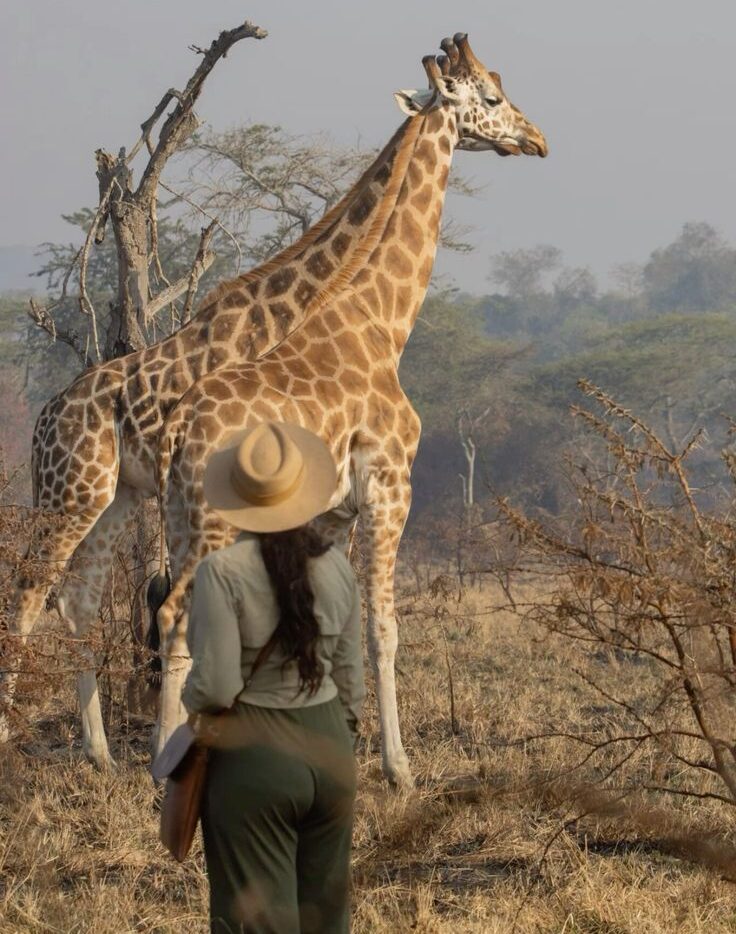
Planning solo female travel from Uganda? Get practical safety tips, visa-smart destinations and honest advice for Ugandan women heading out on their own.
There is a particular kind of silence that falls over a woman the first time she books a flight alone. It isn’t fear, exactly. It’s the sound of every “but who will you go with?” you have ever heard, trying to talk you out of it.
Here is what the women who have gone will tell you. Standing in the queue at Entebbe with one bag, one passport and nobody to negotiate with is a strange and excellent kind of freedom. You pick the seat. You pick the street. You decide whether the museum is worth two hours or whether the beach has earned your afternoon. Nobody votes.
And you are far from alone in wanting this. One industry roundup puts women at roughly 58% of solo leisure trips worldwide in 2025, up from about 42% in 2017. The shift is real, and Ugandan women are part of it.
But wanting to go and knowing how to go are different things. This guide covers both: the homework that keeps a trip smooth, the habits that keep you safe, and the places that reward a woman travelling on her own. Some of them are a bus ride from Kampala. Some need a visa and a little planning. All of them are doable.
Why Solo Female Travel from Uganda Is Easier Than It Was
Start with the passport in your bag. Uganda’s passport reached 71st place on the Henley Passport Index in January 2026, with visa-free or visa-on-arrival access to 66 destinations, its best showing in ten years. Different trackers count differently, and some list fewer destinations, so treat any single number as a snapshot rather than a promise.
The bigger win is closer to home. Uganda sits inside the East African Community, and that membership opens doors. One entry-requirements checker lists up to 90 days visa-free in Tanzania for Ugandan passport holders, and reports up to 180 days in Rwanda. Rwanda has also moved toward a visa-free policy for African Union citizens. Rules shift, so confirm with the embassy or the destination’s immigration office before you pay for a ticket.
The result is a menu of safe, interesting, short-haul options that a Ugandan woman can book without a visa fight. That is a real advantage, and most people never stop to count it.
Before You Leave: The Homework That Saves Trips
Solo travel punishes sloppy preparation more than group travel does. There is nobody to cover for a missing document. So do the boring part properly.
Check your documents twice. Most countries want a passport valid for at least six months beyond your entry date. Many also expect proof of onward travel. A one-way ticket and a shrug is how people get turned around at an airport. Print your return ticket and your first night’s booking, and keep digital copies somewhere you can reach without your phone.
Carry your yellow fever card. Many African destinations ask Ugandan travellers for proof of vaccination, as visa guides for Ugandan passport holders point out. Get the certificate before you travel, keep the original in your hand luggage, and take a photo of it. If you need help with the vaccination process, the team at Nitah Tours and Travel can point you in the right direction.
Tell two people your plan, not one. Share your flights, your accommodation addresses and a rough day-by-day outline with someone at home and with a second person who isn’t your first call. Agree on a check-in rhythm. A message every evening is enough. If a message is missed, somebody notices within hours and not days.
Buy travel insurance. It is the least glamorous item on the list and the one you will be glad to have if a flight is cancelled or a phone vanishes. Read what it covers for theft and medical care before you pay.
Be ruthless about job offers abroad. This one is serious. A BBC investigation into the trafficking and exploitation of young Ugandan women in Dubai led to widespread reports of tighter UAE visa rules for Ugandans, which Nile Post covered at the time. The UAE’s ambassador has since dismissed claims of an outright ban, though both sides accept that compliance checks are strict. Whatever the exact policy today, the lesson is simple. A stranger who offers you a glamorous job, a free ticket or a place to stay overseas, and who pushes you to move fast, is a red flag. Genuine employers do not need your passport in their hands. Walk away and talk to someone you trust.
Safety Tips for Solo Female Travellers: What Works on the Ground
Safety is rarely about one dramatic decision. It is about a hundred small ones that quietly stack the odds in your favour.
Choose your bed like it matters, because it does
Your accommodation is your base, your retreat and your safe room. Read reviews written by other women, and look for mentions of locks, lighting, night staff and how the host handled problems. Guesthouses with a front desk that never goes dark are worth a few extra shillings. Arrive in daylight on your first day anywhere new. A strange neighbourhood at 9 p.m. is a different place from the same street at 3 p.m.
Arrange your first ride before you land
The most vulnerable moment of many trips is the first hour. You are tired, you are carrying everything, and you don’t know the area. Ask your hotel to send a driver, or book through a ride-hailing app you already trust. Back home you may use SafeBoda, Uber or Bolt, and the same habit travels well. Share the trip details with a friend, check the number plate matches the app and sit in the back seat.
Dress for the place, not for the photo
You don’t owe anyone modesty, but you do owe yourself an easy day. In conservative or mostly Muslim areas, covering shoulders and knees in towns and villages cuts down on stares and comments. It also earns you warmer treatment from locals, which is the real prize. Swimwear belongs on the beach and nowhere else. Pack a light scarf; it works as a head cover, a shawl, a pillow and a sunshade.
Keep your money in more than one place
Split your cash and cards. One card and a little cash stay on you; the rest lives in your room or a hotel safe. Use ATMs inside banks or hotels, and cover the keypad. Carry a bag that closes and sits across your body in crowded areas. Petty theft is the most common problem in busy tourist towns, and it hits solo travellers harder because nobody is watching your back.
Learn to say no without apology
Persistent sellers, overly friendly guides and “special price for you” invitations are part of tourism in many places. A firm, calm “no, thank you” and a steady walk is enough. You do not need to be rude, and you do not need to explain. If something feels off, change the plan. Step into a shop, walk into a hotel lobby, or flag a taxi. Your instinct is data. Use it.
Be careful with alcohol and with strangers’ offers
Drink slowly, watch your glass and never accept a drink you didn’t see poured. Be friendly, but keep your hotel name and room number to yourself until you know someone well. Meeting people is one of the great joys of travelling alone. Meet them in public, in daylight, in groups, and keep an exit.
Walk the last stretch like you know where you’re going
Download offline maps before you head out. Check your route at the hotel, not on a dark corner with a glowing screen. Unlit alleys and empty beaches after dark are poor choices anywhere in the world, so skip them and take a taxi instead.
Destinations That Reward a Woman on Her Own
Now the fun part. These are places that suit first-timers and old hands alike, with the kind of infrastructure and welcome that make solo travel feel like a pleasure and not a project.
Rwanda: the calm, clean, quietly confident neighbour

If one country has built a reputation among women travelling alone, it is Rwanda. A BBC travel report named it among the top five countries for solo female travellers, and Nation Africa tied that standing to its strong Women, Peace and Security ranking. In 2023, the New Times reported that Rwanda was ranked second safest in the world for solo women, pointing to its parliament, where women hold more than 60% of the seats. One travel write-up also says Gallup’s Law and Order Index lists Rwanda among the safest places to walk alone at night.
What that means in practice: Kigali is orderly, walkable in the daytime and full of cafés where you can sit with a laptop for hours without being hassled. The Kigali Genocide Memorial is a sobering and necessary visit. Beyond the capital, Lake Kivu is a slow, lovely reset, and Nyungwe Forest is serious hiking country. Pair it with gorilla trekking in Volcanoes National Park if the budget allows.
The journey from Kampala is straightforward by road or air, which makes Rwanda a natural first solo trip. Rules still apply, so carry your passport, a return ticket and your yellow fever card.
Zanzibar: sun, spice and a few ground rules
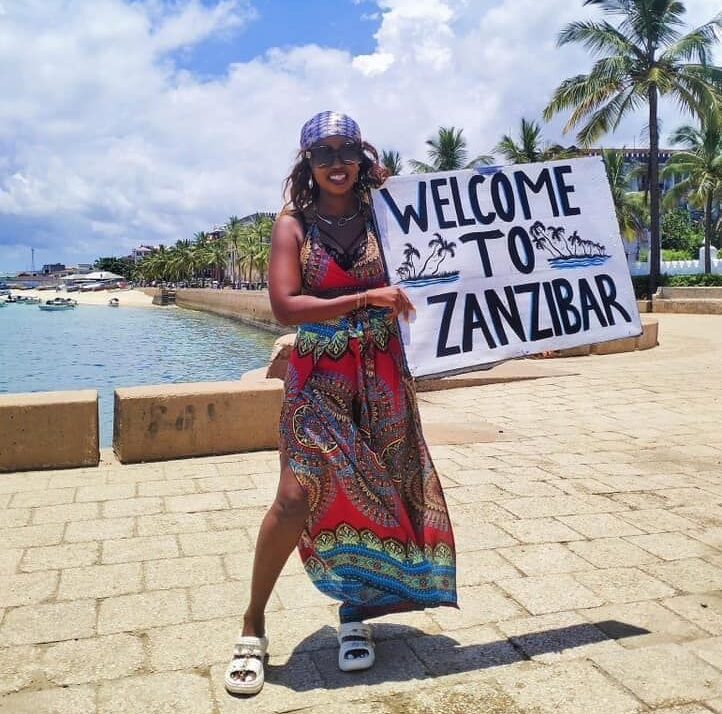
Zanzibar sells itself, and it should. White sand, turquoise water, a spice-scented old town and sunsets that make people applaud. For a solo woman it can be one of the most social and relaxing escapes in the region. It also needs a bit more awareness than Kigali, and it’s better to know that going in.
Stone Town is fascinating by day. After dark, its narrow alleys call for care. Guides note that Stone Town carries the highest petty crime risk on the island, and the UK government has said incidents have occurred in Stone Town, at hotels and on popular beaches. None of that rules out a great trip. It means you plan smartly.
Here is the approach that works. Spend your first nights on the coast, in Nungwi or Paje, where guesthouses are sociable and beach life is easy. One guide recommends treating Stone Town as a day trip while you find your feet. Book group tours for spice farms and Prison Island, which is a good way to meet other travellers as well. Use hotel-arranged taxis after dark.
Dress matters here. The island is predominantly Muslim, and visitors are advised to cover shoulders and knees in Stone Town and villages, keeping swimwear for beaches and resorts. Skip isolated beaches after sunset. Do that and you can enjoy every grilled-seafood evening in peace.
Entry is simple for Ugandans. Tanzania lists visa-free stays for Ugandan passport holders, but check the current rules and bring your yellow fever card. The best weather runs roughly from June to October, the dry season.
Kenya: city energy, coast and savanna
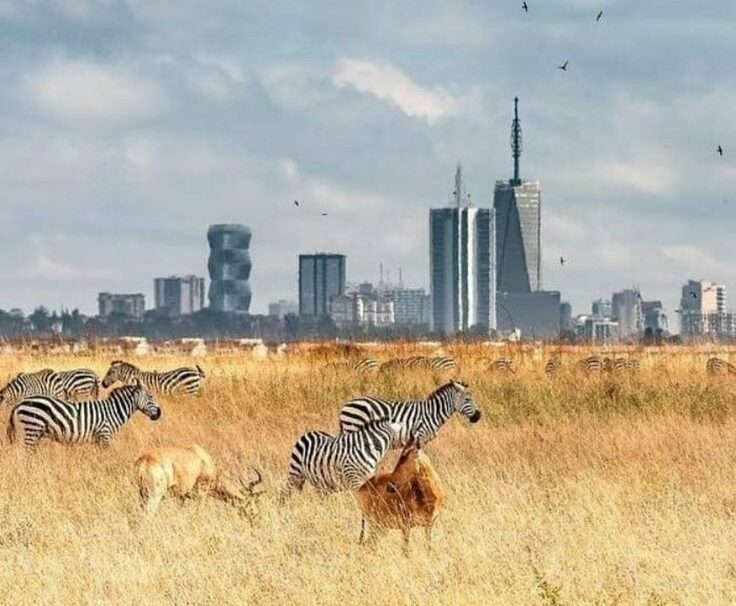
Kenya gives you three trips in one. Nairobi offers galleries, restaurants, markets and a lively creative scene. Diani and the coast offer slow, salty days. The Maasai Mara delivers the wildlife spectacle people cross oceans to see.
For the solo traveller, the trick is matching each setting to the right level of independence. In Nairobi, use ride-hailing and hotels in busy, well-lit areas, and keep valuables out of sight. On the coast, take the same beach-after-dark caution you would use anywhere. For the Mara, book with a licensed operator and join a small group; a safari is a setting where company and a trained guide make the experience better and not smaller.
Kenya is also a fellow East African Community member, and it appears among the countries named in Uganda’s regional visa-free arrangements. Kenya, Uganda and Rwanda have also been reported to recognise each other’s national IDs at the border, but carry your passport anyway. It is the safer habit and it saves arguments.
Uganda itself: the first solo trip you can take this weekend
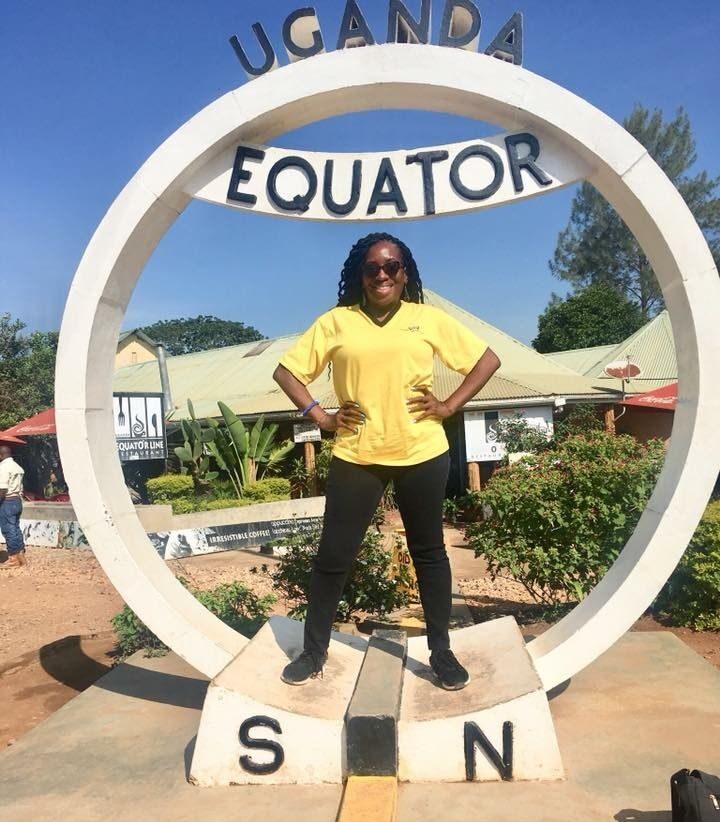
Sometimes the best advice is the least exotic. You don’t need a visa or a long-haul flight to practise solo travel. You need a Friday afternoon and a bus ticket or a car.
Jinja. The source of the Nile has everything a first-timer wants: rafting, kayaking, riverside cafés and guesthouses used to solo guests. Female travellers have rated places such as Surjio’s Guest House and 2 Friends Guest House for their safe, welcoming feel.
Lake Bunyonyi. Calm water, terraced hills and canoes that glide past small islands. It is a place for reading, hiking and doing nothing at all. Guesthouses in Kabale and around the lake are well suited to people travelling alone.
Kibale and Fort Portal. Chimpanzee tracking, crater lakes and tea-covered hills. Go with a guide for forest walks, and base yourself in town, where there is plenty of company.
National parks. Parks are where one rule matters most: go with a reputable operator. Canada’s government advises travellers to visit game parks only with a reputable tour company and to leave the vehicle only when a guide or warden says it’s safe. A solo woman on a small-group safari gets the best of both worlds, privacy when she wants it and conversation when she doesn’t.
A tip for city time: in Kampala and Entebbe, apply the same habits you would abroad. Use ride-hailing at night, keep your phone out of sight on busy streets, and check where the safe, social guesthouses are before you arrive.
Planning a Trip Without Planning Out the Fun
Safety advice has a way of making travel sound like a risk assessment. It isn’t one. The point of all this preparation is to buy yourself space to be spontaneous.
Start small. A long weekend in Jinja teaches you more about your own travel style than any blog post. Do you like early starts or slow mornings? Do you eat well alone, or do you need a group dinner? Do you want a schedule or a blank day? Those answers shape every later trip.
Then step up. A week in Rwanda, then a long trip to the coast. Join a small-group tour for a few days if you want company, and then peel off on your own. Hybrid trips are underrated. They give you structure at the hard parts and freedom at the good ones.
Pack light. A bag you can carry up stairs without help is a safety feature. Take a lock for hostel lockers, a power bank, a basic first-aid kit, copies of your documents, and a small door wedge or alarm if it makes you feel better. Leave the jewellery and the nervousness at home.
Frequently Asked Questions
Is it safe for a Ugandan woman to travel alone? Generally yes, with sensible habits. Safety depends on where you go, where you sleep and how you move around. Choose well-reviewed accommodation, arrange transport in advance, share your plans with someone at home and trust your gut.
Which country is best for a first solo trip from Uganda? Rwanda is a favourite, thanks to its order, its strong record on women’s safety and the easy trip from Kampala. A weekend in Jinja or Lake Bunyonyi is a gentler start if you would rather stay home.
Do I need a visa? That depends on the country. Many East African neighbours allow Ugandans in without a prior visa, but rules change and entry conditions such as a return ticket and a yellow fever certificate often apply. Always check with the embassy or a trusted agent before you book.
Should I book a tour or go fully independent? Both work. Wildlife parks and remote areas are better with a guide or a small group. Cities are easier to do alone. Many women mix the two.
What if I feel unsafe once I’m there? Move to a public place, go into a hotel or shop, and call someone. Contact the local police or your embassy if needed. Save emergency numbers and your accommodation’s address before you set out each day.
Your Passport Is Waiting
The women who travel alone are not braver than anyone else. They are better prepared, and they have decided that waiting for company is a slower way to see the world.
Pick a place that matches your comfort. Do the homework. Tell two people. Book the first night. Then step through the gate at Entebbe and let the trip begin.
If you want help turning the idea into an itinerary, the team at Nitah Tours and Travel in Kampala can help with destination advice, flights and accommodation that suits a woman travelling on her own. Tell us where you’re dreaming of, and we’ll help you get there. And if you’ve already done a solo trip, what’s the one tip you wish somebody had given you before you left? Share it in the comments; the next woman packing her first bag will thank you.
Leave a comment: