

- 3 Views
- 14 Min Read
- (0) Comment
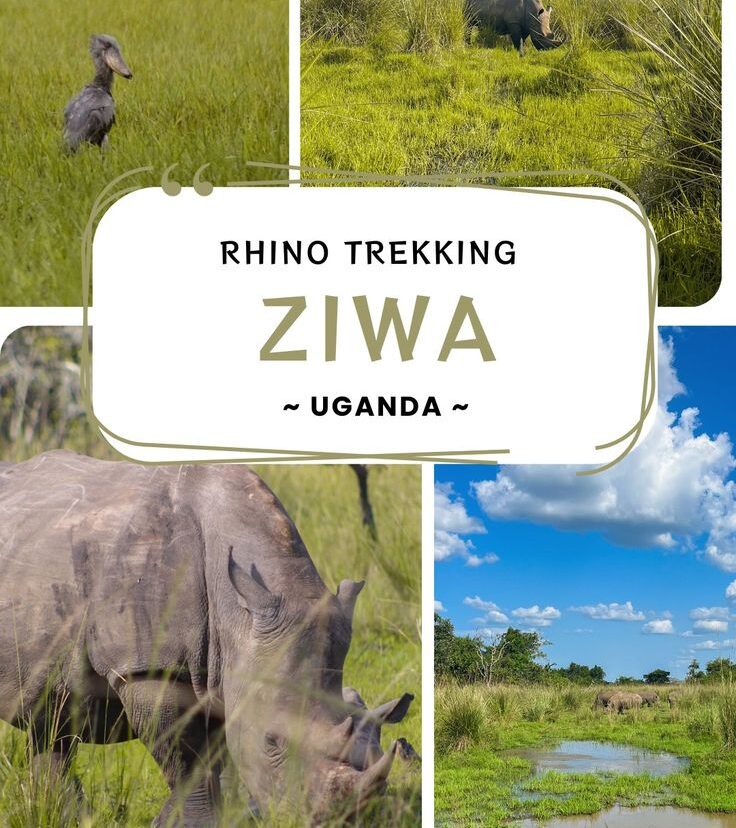
Rhino Tracking at Ziwa Sanctuary: Visitor Guide 2026
Plan your Ziwa Rhino Sanctuary visit with real costs, timings, what to wear, where to stay and how to pair rhino tracking with Murchison Falls.
Primary keyword: rhino tracking at Ziwa Sanctuary
Secondary keywords: Ziwa Rhino Sanctuary fees, rhino tracking Uganda, Ziwa Rhino Sanctuary lodging, Kampala to Ziwa
Most safaris ask you to stay in the car. Ziwa asks you to put on boots and walk.
You meet a ranger at the post, get a short briefing, and head into the bush on foot. Within a few minutes the guide stops, lifts a hand and points. Thirty metres away, a southern white rhino is grazing like a very large, very heavy lawnmower. Nobody speaks. Everyone forgets the phone in their pocket.
That moment is the reason Ziwa Rhino Sanctuary sits on so many Ugandan itineraries. This guide covers how to plan it properly: what it costs, how long it takes, what to pack, where to sleep, and why the trip means more than a photo of a horn.
Why Ziwa Matters More Than a Typical Wildlife Stop
Uganda used to have rhinos everywhere. Then poaching erased them. The last wild rhino was killed in the early 1980s, and for decades the country had none.
Ziwa is how that story changed. The sanctuary was set up in 2005 on the Roy family’s former cattle ranch, through a partnership between the Uganda Wildlife Authority and Rhino Fund Uganda. It began with six southern white rhinos, two males and four females, and the herd has grown from there through a breeding programme that has become one of the more successful in Africa.
This is where it gets exciting for visitors. Ziwa is no longer just a breeding ground. In January 2026, four rhinos were moved from Ziwa to Ajai Wildlife Reserve, the first time Uganda had ever relocated rhinos between protected areas. Then, on 17 March 2026, rhinos travelled from Ziwa to Kidepo Valley National Park, the first move into one of the country’s national parks.
So when you track rhinos at Ziwa, you are visiting the source population. Some of the animals you see could be relatives of the ones now walking free in the north. That context changes how you look at them.
One caution for planners: the sanctuary is fenced and managed. It is not a wide-open national park, and some operators are honest about that. If you want a true wilderness feel, pair Ziwa with Murchison Falls later in your trip. If you want the best chance of seeing a rhino at close range, Ziwa is the place.
Where Ziwa Is and How to Get There
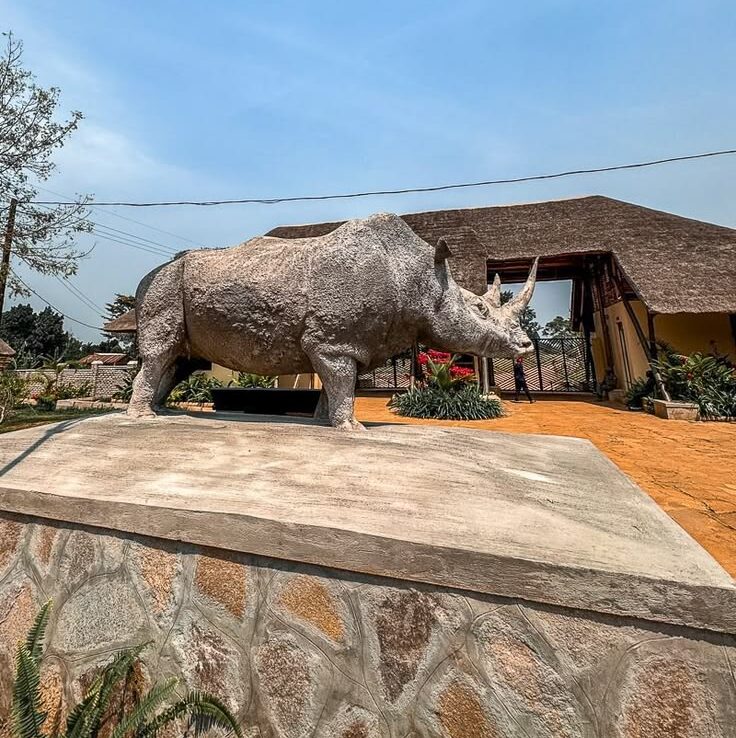
Ziwa sits in Nakasongola District along the Kampala–Gulu highway. It is about 176 km from Kampala, roughly a three-hour drive.
The road is paved and generally good, but traffic around Luwero town can slow you down. If you are coming from the north, the drive from Masindi takes about an hour.
Plan around the gate hours: the sanctuary is open from 7:30 AM to 6:00 PM daily. Rhino tracking runs through the day, so you do not have to arrive at dawn. That said, leaving Kampala by 6:30 or 7:00 AM gets you there with the morning light still soft and the day still cool.
Three ways to organise the journey:
- A day trip from Kampala. Doable and popular. You leave early, track mid-morning, eat lunch and drive back. It is a long day but rewarding.
- An overnight stay at or near Ziwa. The calmer option, and the one we prefer. You track in the cool of the morning and skip the highway fatigue.
- A stop on the way to or from Murchison Falls. The most efficient. Ziwa to Murchison Falls National Park is about 136 km, or two and a half to three hours, so Ziwa breaks the long drive into two manageable pieces.
If you do not want to drive yourself, Nitah Tours and Travel can arrange transport, guides and a full itinerary around your dates.
What Rhino Tracking Actually Looks Like
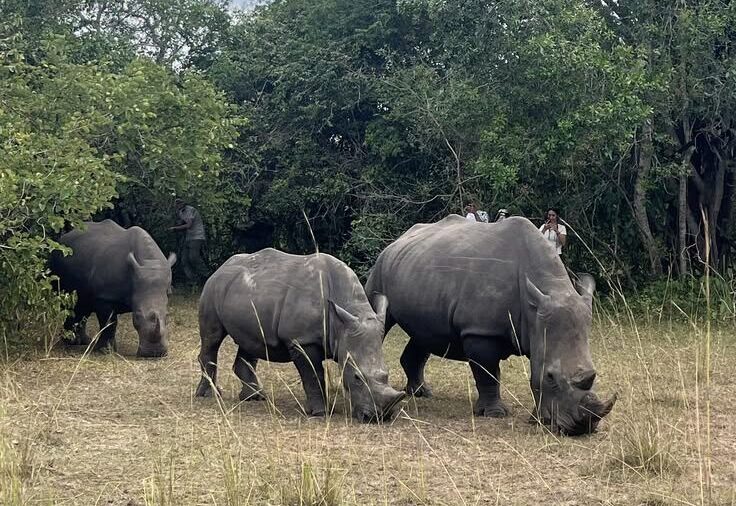
A rhino tracking session at Ziwa is an on-foot safari. It is not a hike. You will not climb anything, and the terrain is mostly flat bushland with some shaded stretches and open grassland.
Here is how it unfolds.
The briefing. At the ranger post, your guide explains the rules. These are simple, and they exist for your safety and the animals’ calm: stay behind the ranger, keep your voice low, move slowly, and never run toward or away from a rhino. Rangers at the sanctuary are armed and trained to read rhino behaviour.
The walk. Guides know where the rhinos tend to rest and feed. They track by sight, by dung and by habit. The tracking itself takes about two hours, though it depends on where the animals are that day. Sometimes you find a group in ten minutes. Sometimes you walk further. Either way, the walking is part of the point.
The encounter. When you find them, you are usually allowed to approach to a respectful distance. White rhinos are grazers. They are calm most of the time, but they are also huge and have poor eyesight, which is why you never rush. Stay close to your guide, and the animals tend to carry on eating, dozing or wallowing as if you were not there.
The mood. This is a quiet, almost meditative experience. Visitors who expect a thrill ride sometimes come away surprised at how peaceful it feels. Visitors who expect to feel nothing usually admit, by the end, that standing near a rhino is humbling.
Ziwa Rhino Sanctuary Fees: What to Expect to Pay
Costs are where most guides get sloppy, so here is the honest picture.
Published prices for Ziwa differ between sources, and some of the figures online are old. Before you budget, treat these numbers as a range and confirm the current tariff.
Here is what recent sources report:
- A UWA-era tariff reported by one safari writer listed entry at $20 for international visitors, with rhino tracking as an add-on of $30. That same source said the figures applied until mid-2026, so check what has replaced them.
- Combined entry and tracking packages quoted by tour companies tend to land higher. One operator lists $50 for foreign non-residents including tracking, and another lists $60 per adult and $30 per child.
- East African residents and Ugandan citizens pay far less, and the exact amounts vary by source. One operator lists 30,000 shillings for Ugandan adults and 10,000 for children.
Why do the numbers disagree? Some sites quote entry only, some combine entry and tracking, and some have not updated since the sanctuary’s management arrangements changed. The sanctuary is now run together with the Uganda Wildlife Authority, and tariffs have moved.
Extras you might add:
- Shoebill trek on the water, early morning, around $25 for adults on one operator’s list
- Birding walks, with prices varying by guide
- Night walks in the evening, listed at $20 for adults on the same operator’s schedule
- Tips for your guide and ranger
A practical rule: Ask your operator for a written quote that says exactly what is included. If you are booking through a package, confirm that entry, tracking, guide and gumboots are all covered. Some day-trip packages, such as this budget rhino trek, list entry, tracking fees, lunch, transport and gumboots together, which makes comparing prices easier.
The Best Time to Visit
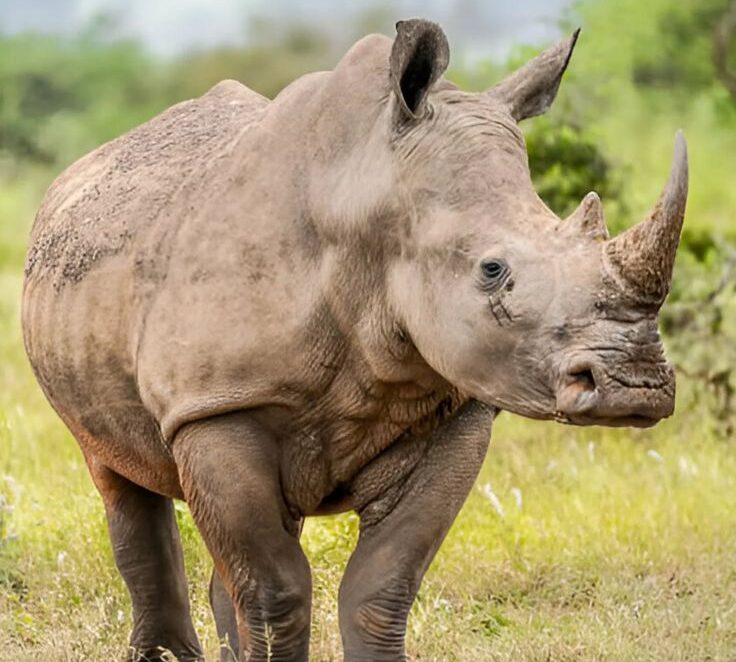
Ziwa works year-round, but your comfort changes with the seasons.
Dry months (roughly June to September, and December to February) are easier on the feet. The ground is firmer, the grass is lower and you can see further through the bush. These are also the busiest months for safari traffic in Uganda, so book lodging early. If you are travelling in December, plan ahead: that is when many Ugandan and regional travellers take holidays.
Wet months (March to May, and October to November) turn the sanctuary green and lush. You may walk through mud, and you will want proper boots. The upside is fewer crowds, richer birdlife and softer light for photos.
Time of day matters more than the month. Morning and late afternoon are cooler, and rhinos tend to be more active when the heat drops. Midday can be hot, and the animals often rest in shade.
What to Wear and Pack
You do not need specialist gear, but a few choices make the walk much better.
Wear:
- Closed shoes with grip. If you do not own sturdy boots, gumboots are often provided in packages, which helps in wet weather.
- Neutral colours such as khaki, olive and tan. Skip bright whites, reds and blues.
- Long trousers for grass, insects and thorns.
- A hat and sunscreen.
Bring:
- Water. Bottled water is often included in packages, but carry your own anyway.
- A light rain jacket in the wetter months.
- Insect repellent.
- Binoculars if you have them, especially for birdwatching.
- A camera with a decent zoom. Phones work, but you will not fill the frame without getting closer than is wise.
- Small cash for tips and drinks.
Leave behind: perfume, loud ringtones, and the urge to talk through the whole walk.
Rules That Keep You and the Rhinos Safe
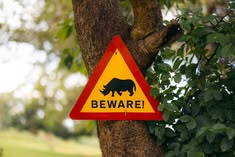
Rangers set the rules, and following them keeps the experience smooth for everyone.
- Stay with your guide at all times. Do not wander ahead for a better angle.
- Keep your voice down. Whispering is fine. Shouting is not.
- No flash photography and no sudden movements.
- Keep a respectful distance and never try to touch an animal.
- Follow instructions immediately. If the ranger says stop, you stop. If the ranger says back up, you back up quietly.
- Do not feed any wildlife.
- Children: Many operators set a minimum age and may require children to stay close to an adult. Confirm the age policy when you book.
These rules sound strict, but they are the reason the sanctuary has a strong safety record and the reason you can stand so close in the first place.
More Than Rhinos: What Else to Do at Ziwa
Rhinos are the headline, but the ranch has more to offer, and a full day here feels richer than a quick tracking stop.
Shoebill canoeing and birdwatching. The sanctuary has swampland, and it is known for more than 300 bird species. Early-morning canoe trips target the shoebill, a bird so odd-looking that it seems drawn by a cartoonist. Even if you are not a keen birder, it is worth a morning.
General wildlife viewing. Antelopes, warthogs and other animals share the ranch. You are likely to see more than rhinos on the walk.
Night walks. After dark the bush changes. You hear and see different animals, and the sky is a bonus on clear nights. It is a good reason to stay overnight.
Learning about conservation. Ask your guide about the breeding programme, the naming of rhinos and the work to prepare animals for release. This is where the visit stops being a safari and becomes a lesson in how a country brings a species back.
Where to Stay Near the Sanctuary
Staying overnight lets you track in the morning without a rushed drive. The main options near Ziwa include:
- Amuka Safari Lodge, which operators often recommend for a comfortable stay with an immersive bush feel.
- Ziwa Rhino Lodge, close to the action.
- Ziwa Guest House, a simpler and more budget-friendly choice.
Operators list all three as common choices for visitors, and staying overnight is often recommended if you want to combine tracking with an early shoebill trip.
How to choose: Check what the room price includes, how far the lodge is from the sanctuary gate, whether meals are served on site, and whether the staff can arrange early-morning departures. If you are travelling in peak season, book weeks ahead.
Combining Ziwa With Murchison Falls
Many travellers pair the two, and the pairing works well. A typical shape looks like this:
- Day 1: Kampala to Murchison Falls National Park, a long drive of about five hours.
- Day 2: Game drive and boat cruise at Murchison.
- Day 3: Drive back via Ziwa for rhino tracking, then continue to Kampala.
This three-day itinerary follows that exact pattern, with the drive from Murchison to Ziwa taking roughly two and a half to three hours, followed by tracking, then roughly three and a half to four hours back to Kampala.
It is a tiring final day, so some travellers split it by sleeping at Ziwa the night before heading home. If you have a fourth day to spare, do that.
Murchison gives you big game and the waterfall. Ziwa gives you the walking experience and the rhinos. Together, they cover a lot of Uganda’s wildlife story in a few days.
Where Rhinos Fit Into Uganda’s Bigger Picture
Here is something many visitor guides skip: the rhino map in Uganda is changing.
Ziwa remains the main place to see rhinos in the country. But Ajai Wildlife Reserve and Kidepo Valley National Park are both going through rhino reintroductions. The long-term plan is to breed rhinos at Ziwa and release them into places where they once lived.
Population numbers also moved recently. In December 2025, Uganda imported eight additional southern white rhinos from South Africa to strengthen the breeding programme. Another source puts the country’s total at more than 60 rhinos, though counts shift as animals are born and moved.
What does that mean for you? Two things.
First, Ziwa is the reliable choice today. If your goal is a close, on-foot rhino encounter, this is where you go.
Second, in a few years, Uganda may offer rhino experiences in more places. Watching that unfold is part of what makes this a good moment to visit and a good story to tell when you get home.
Practical Tips Before You Book
A few small choices can make the trip smoother.
Confirm fees directly. Because published numbers vary, ask your operator or the sanctuary for the current tariff before you pay.
Check the group size. Smaller groups tend to get a calmer, more personal walk. If you have a large party, ask whether it will be split.
Ask about mobility. The terrain is mostly flat, but a two-hour walk is still a walk. If anyone in your group has mobility concerns, tell the operator in advance.
Pay attention to payment methods. Some operators mention cash, card or mobile money at the gate. Carry some cash anyway, since connections can be unreliable.
Bring a plan for the drive. If you are doing a day trip from Kampala, download music or a podcast, carry snacks and leave early.
Tip your guide. Rangers do skilled work, and a tip is a normal part of the experience.
Frequently Asked Questions
How long does rhino tracking at Ziwa take?
Most walks take around two hours, depending on where the animals are that day. Add time for the briefing and any extras such as birdwatching.
Is rhino tracking at Ziwa safe?
Yes, when you follow your guide’s instructions. Armed rangers lead every walk and know how to read the animals’ behaviour.
Do I need to book in advance?
For a day trip, you can often arrange things with short notice, but peak season fills up. Lodging near the sanctuary and package tours are best booked ahead.
Are the rhinos wild?
They are southern white rhinos living in a large, fenced conservation area. One operator describes them as not yet fully wild because of the fence, and the long-term plan is to release animals into national parks.
Can children come along?
Many operators allow children with age rules and adult supervision. Ask when booking.
Can I combine Ziwa with other destinations?
Yes. Murchison Falls is the most common pairing, and Ziwa makes a handy break on the Kampala–Gulu highway.
Ready to Walk With Rhinos?
Ziwa is one of those rare places where a short trip gives you a story you will tell for years. You walk. You whisper. You watch an animal the size of a small truck eat grass like it has nowhere else to be.
If you want a trip that handles the details for you, Nitah Tours and Travel can build a Ziwa day trip, a Ziwa-and-Murchison safari, or a longer Uganda itinerary around your dates and budget. Tell us when you want to travel, how many people are coming, and what kind of pace suits you.
And a question to take with you: if you could stand within a few metres of an animal that was once wiped out in your country, what would you want to remember about the moment?
Plan the trip, pack your boots and keep your voice low.
Leave a comment: