

- 7 Views
- 14 Min Read
- (0) Comment
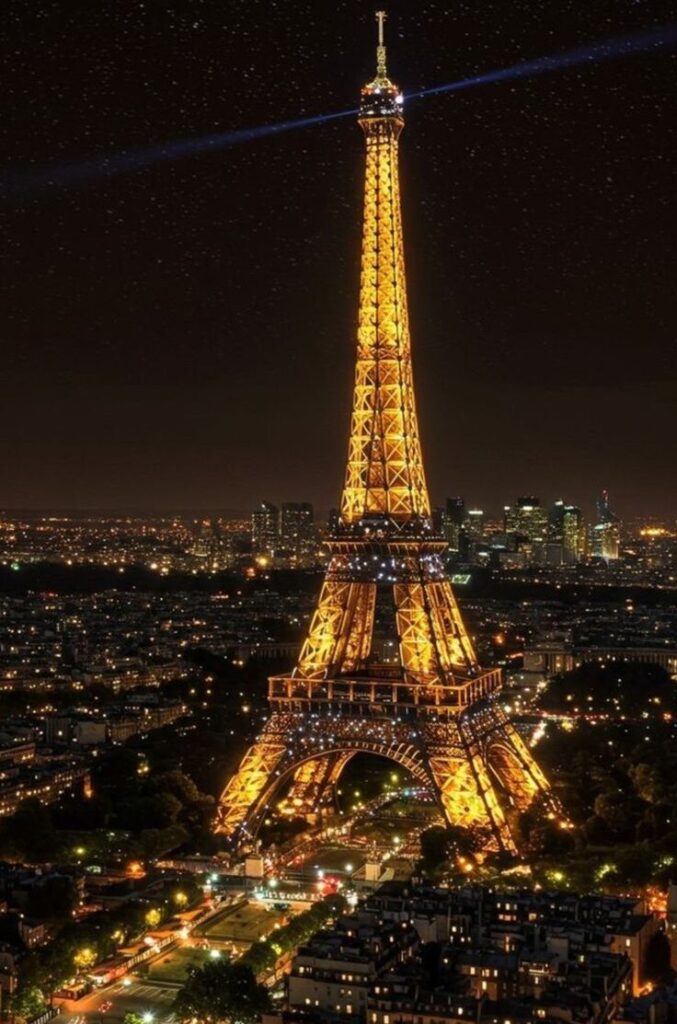
Planning 4 days in Paris? This itinerary covers the Louvre, Eiffel Tower, Versailles, Montmartre and the Seine, with 2026 ticket rules, museum pass math and booking tips.
Primary keyword: Paris travel guide | Secondary keywords: 4 days in Paris, Paris itinerary, Paris Museum Pass, Louvre timed entry, Eiffel Tower tickets
Paris has a reputation problem, and it’s a good one. Everyone arrives with a head full of postcards. The Eiffel Tower at dusk. A croissant on a zinc counter. Someone in a good coat walking a bicycle across a bridge. The city usually delivers all of it, but only if you plan the unglamorous parts first.
Four days is the sweet spot. It’s long enough to stop sprinting and start noticing things, and short enough that you’ll leave wanting a return ticket. The itinerary below is built around how Paris works in 2026, which is a very different place from the Paris of your cousin’s 2016 photos. Timed entry now rules the big sites, prices have shifted, and the order you do things in matters more than it used to.
If you’re planning this trip from Kampala or anywhere else in Uganda, the team at Nitah Tours and Travel can help with flights, hotels and itinerary planning. Your Schengen visa paperwork needs to be sorted well before you start picking restaurants.
Before You Land: The Three Bookings That Decide Your Trip
Paris punishes the spontaneous in one specific way: the big attractions run on reservations. According to SmarterTravel’s 2026 Paris guide, advance timed-entry reservations are now required at the Louvre, Musée d’Orsay, Musée de l’Orangerie, Versailles and Notre-Dame. Turn up with no booking and you’ll spend your morning on a pavement instead of in front of a painting.
Three things to lock in as soon as your dates are firm:
The Louvre.
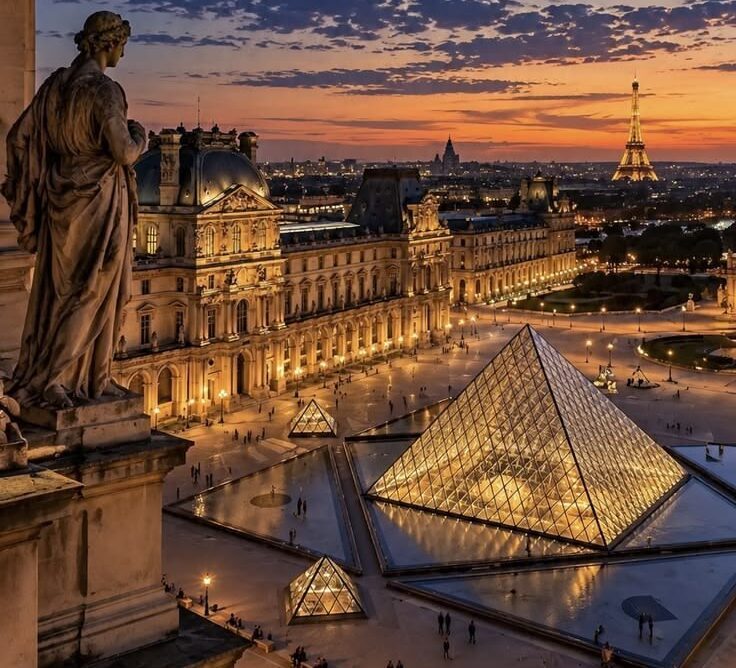
Book through the museum’s own site, ticket.louvre.fr. One 2026 guide puts the price at €22 for EEA visitors and €32 for everyone else, with a timed slot included. Slots can be booked up to 90 days ahead and fill fast in summer.
The Eiffel Tower.
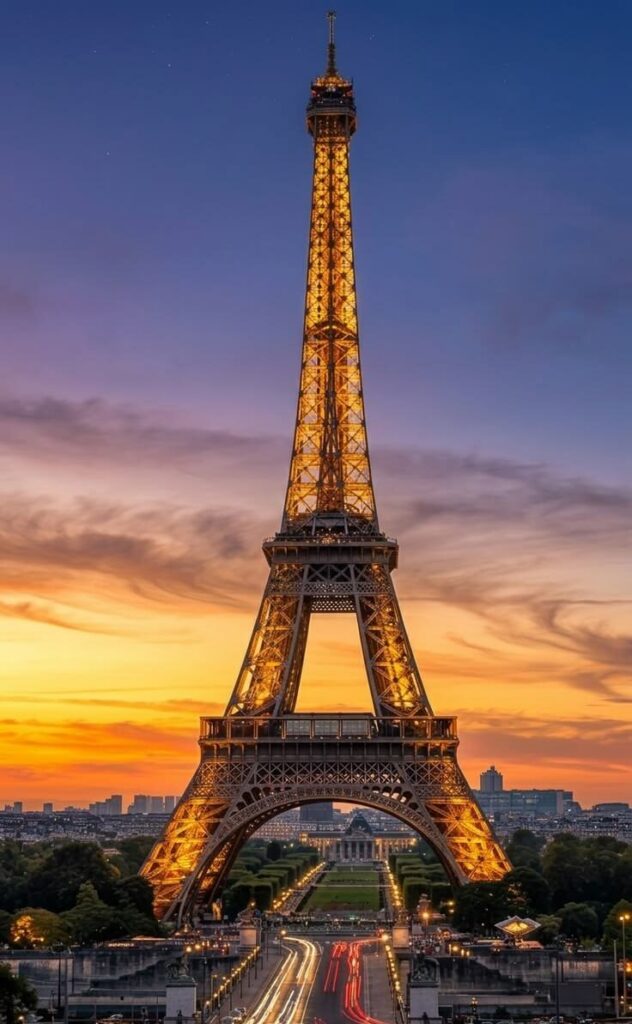
The Tower’s official booking page lets you reserve lift tickets up to 60 days ahead. Summit slots at sunset go first. Stick to the official domain, because dozens of lookalike sites sell the same tickets at inflated prices.
Versailles
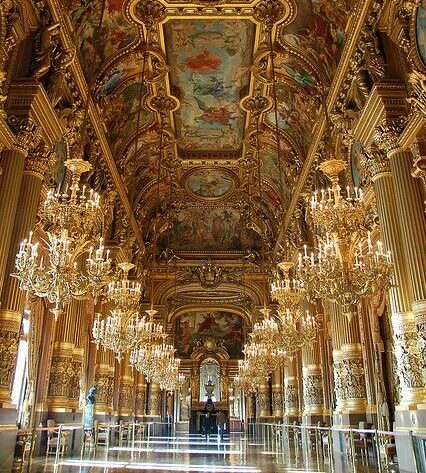
It needs a reservation too, and a day trip with no slot is a very long train ride to look at a gate.
Treat these three like flights. Book them first, then build the rest of the trip around them.
Is the Paris Museum Pass Worth It?
The short answer is yes, if you follow this itinerary. The 2026 prices, according to the official rates quoted by Eskimo Travel, are €85 for 48 hours, €105 for 96 hours and €125 for 144 hours. Some older articles still list lower figures, so check the current price on the official pass site before you buy.
Here is the math for a non-EEA visitor, using 2026 single-entry prices: the Louvre is €32, Versailles €35, Sainte-Chapelle €22, the Arc de Triomphe €22, Orsay €16 and the Orangerie €12.50. That’s €139.50 before you’ve counted the Conciergerie. The 4-day pass costs €105. You come out ahead and skip the ticket-window queues for several sites.
Two catches. The pass does not include the Eiffel Tower, so you buy that ticket separately. And even with a pass, you still book a free timed slot at the Louvre. The pass is your payment, not your reservation.
The pass runs on consecutive days, so this itinerary packs every pass site into four days in a row. Activate it on Day 1 and you’re covered through Day 4.
Day 1: Île de la Cité, the Latin Quarter and Your First Look at the Tower
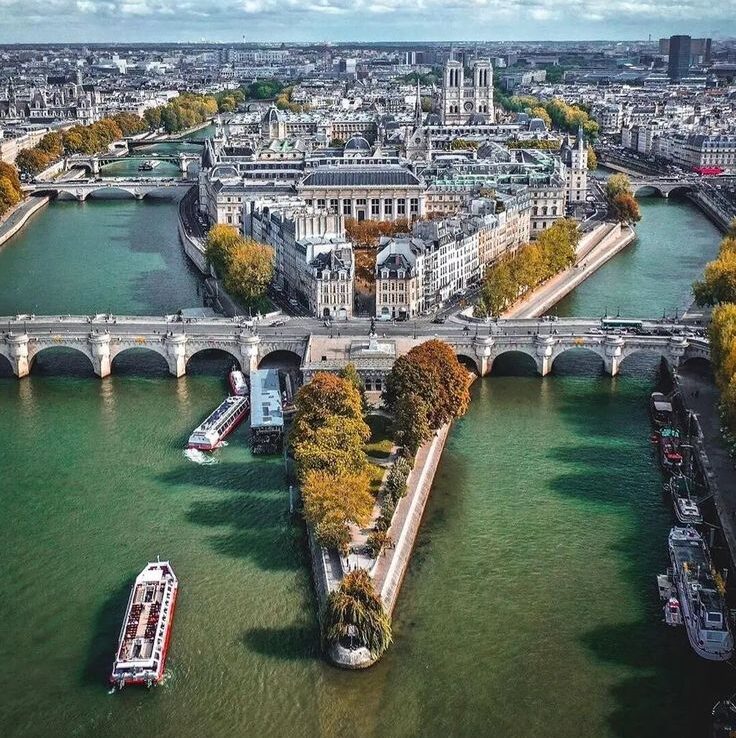
Start where Paris started. Île de la Cité is a small island in the Seine, and it holds more history per square metre than almost anywhere in Europe.
Morning: Notre-Dame and Sainte-Chapelle.
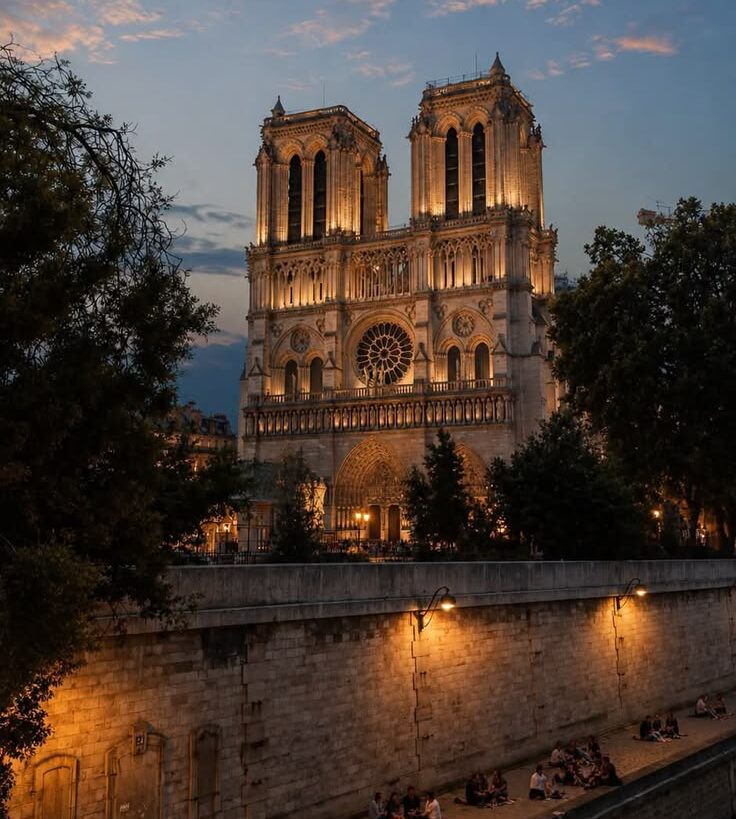
Book a timed slot for Notre-Dame, then walk five minutes to Sainte-Chapelle. Go in the morning. The upper chapel is a box of 13th-century stained glass, and it looks its best when the sun is low and the crowds are thin. It’s covered by the Museum Pass, so this is where your pass earns its first €22. The nearby Conciergerie, where Marie Antoinette waited out her last days, is on the pass too and takes about an hour.
Lunch: the Latin Quarter.
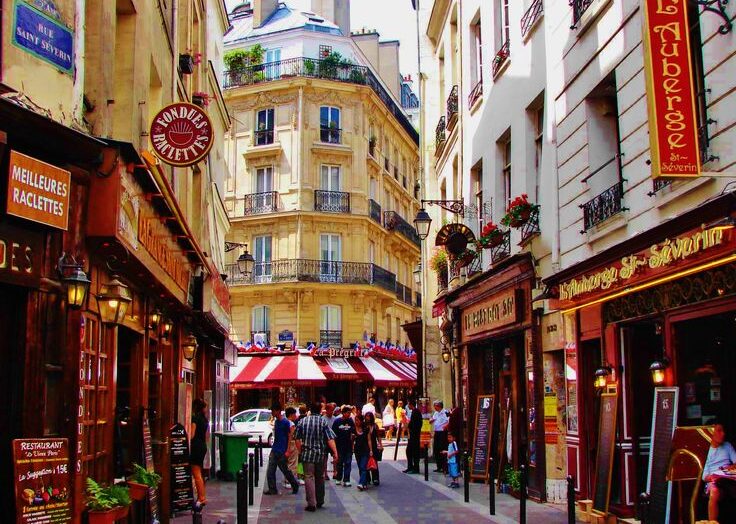
Cross the river and drift up the Boulevard Saint-Michel. Skip the restaurants with laminated photo menus. Walk two streets back from any main drag and you’ll find places where the lunch special is written on a chalkboard and the waiter doesn’t speak English. A plat du jour with a glass of wine usually costs a fraction of what the tourist strip charges, and it will be better.
Afternoon: Luxembourg Gardens.
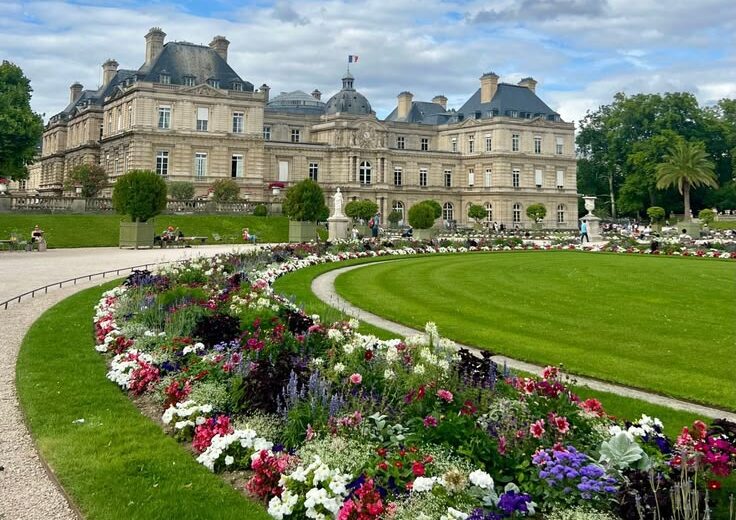
This is the park Parisians actually use. Grab a green metal chair, pull it to the edge of the central pond and do nothing for forty minutes. You’ve earned it after a 6 a.m. flight and a morning of medieval glass.
Evening: the Eiffel Tower.
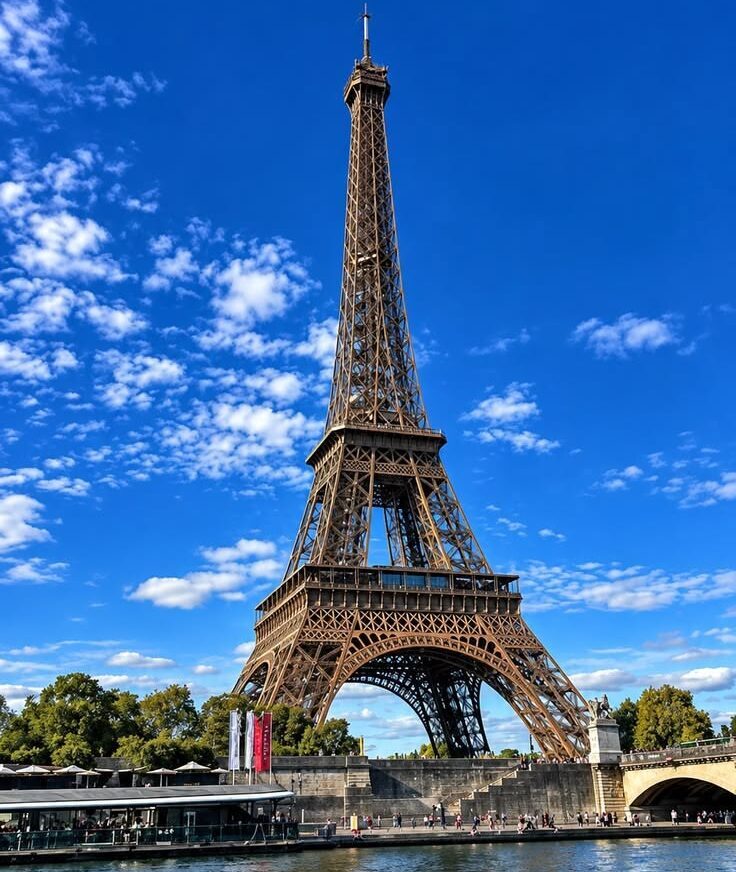
Take the Metro to Trocadéro and look at the Tower before you go up it. The view from the terrace across the river is the real postcard. Then cross the Seine and go up on your booked slot. A guide at The Better Vacation argues that the second floor gives most people the better all-round view, while the summit costs more. I’d tend to agree. The summit is higher, but the second floor puts the city’s streets and landmarks at a size where you can still pick them out.
Stay until the Tower sparkles on the hour after dark. It’s cheesy. It’s also lovely. Stop pretending you’re too cool for it.
Day 2: The Louvre, the Tuileries and the Champs-Élysées
Day 2 is the big-museum day, and the secret to surviving the Louvre is to set a limit before you walk in.
Morning: the Louvre, in three hours.
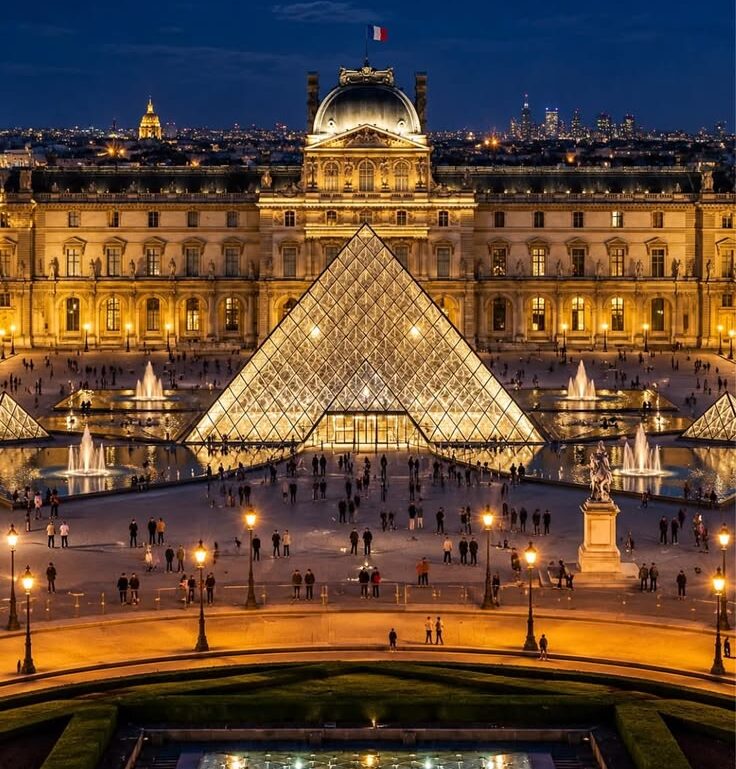
The building has more than 30,000 works on display, and nobody sees it all. Pick a plan. Take your timed slot, aim for the early window and go straight to the Mona Lisa before the room fills. Then spend your remaining time on two or three wings you actually care about. The Greek sculptures, with the Venus de Milo and the Winged Victory of Samothrace, make a strong second act. If you want context, a small-group guided tour with timed entry can make a 2.5-hour visit feel focused instead of lost. Check that the listing says entry is included before you book.
One more thing about the Mona Lisa. It’s small. It’s behind glass. There will be a crowd of phones. Take your photo, then turn around and look at the paintings nobody is queuing for. That’s where the Louvre gets interesting.
Lunch: Tuileries Garden.
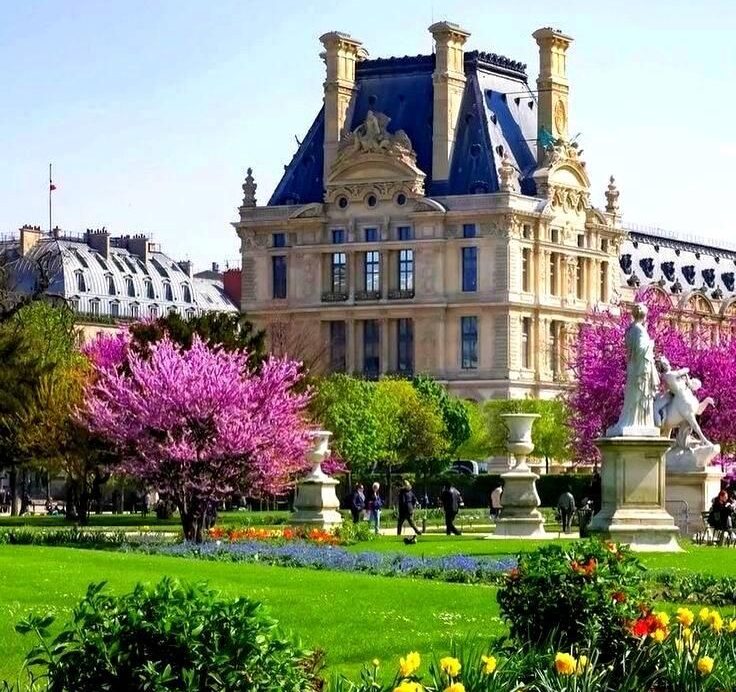
Leave through the glass pyramid and walk into the Tuileries. Buy a baguette sandwich, a piece of fruit and a coffee from a kiosk and eat by the fountain. It’s the cheapest good lunch in the city.
Afternoon: Musée de l’Orangerie.
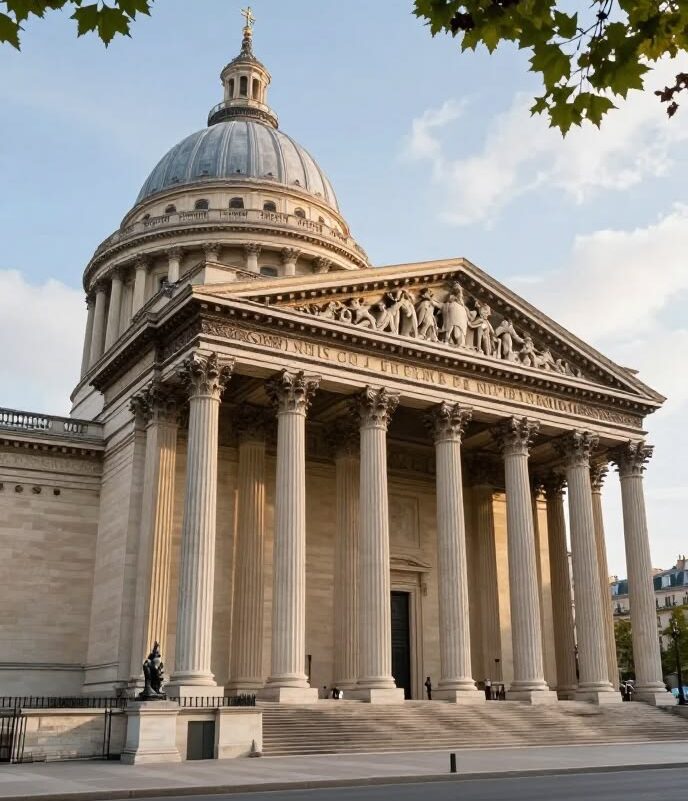
At the far end of the Tuileries, this small museum holds Monet’s Water Lilies in two oval rooms built for them. It takes an hour, costs €12.50 at full price, and it’s covered by your pass. Timed entry is required here, so book your slot.
Late afternoon: Place de la Concorde to the Arc de Triomphe.
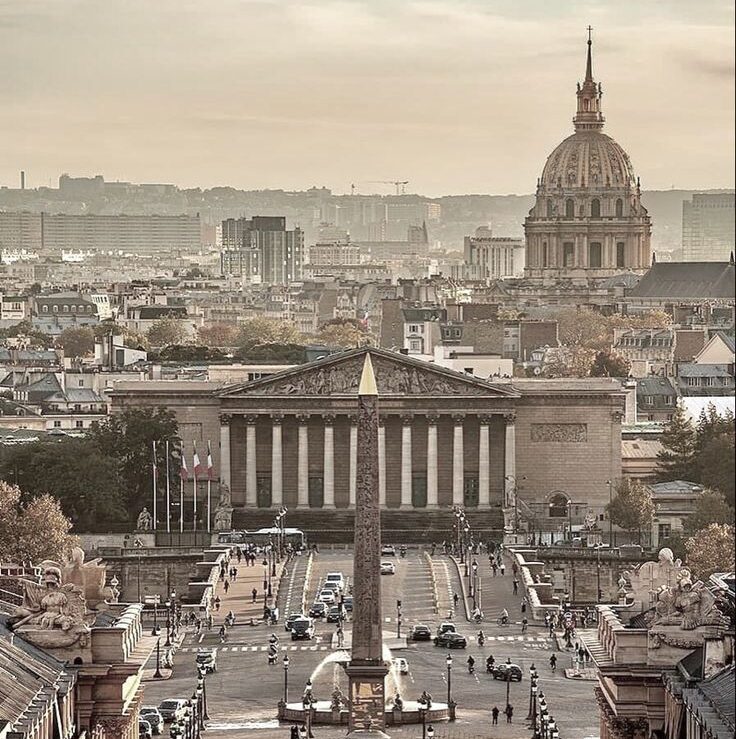
Walk up the Champs-Élysées. Yes, it’s commercial and a bit tired in places, but the sweep of the avenue toward the Arc is still impressive. The Arc de Triomphe is on the Museum Pass, and the rooftop terrace gives you a view of twelve avenues fanning out like spokes. Go about an hour before sunset.
Dinner: Head back toward the Marais or Saint-Germain for dinner. Avoid anywhere on the Champs-Élysées itself.
Day 3: Versailles and an Evening in the Marais
Most four-day Paris plans squeeze Versailles into a morning and regret it. Give it the day.
Getting there. Take the RER C line from central Paris, a ride of roughly 40 minutes. Book your timed slot ahead. Versailles costs €35 for non-EEA visitors at the door, but it’s on the pass, so this is your biggest saving.
Morning: the palace.
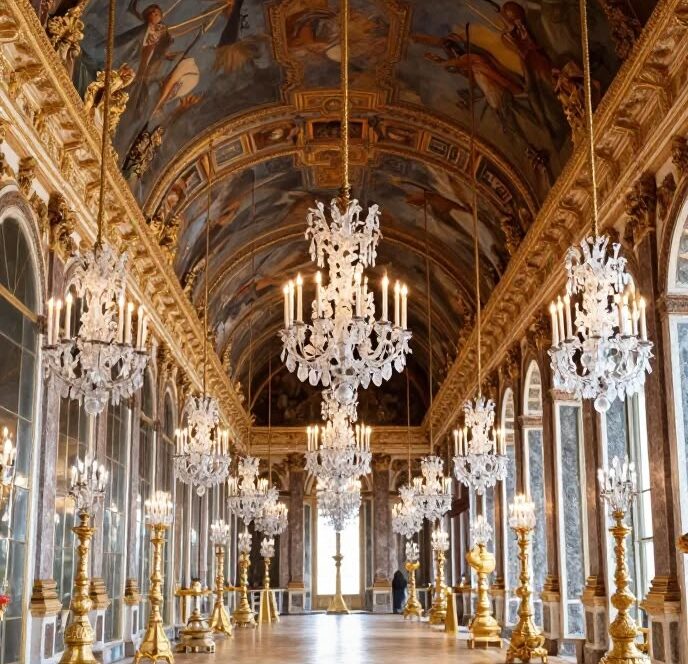
Arrive at opening. The Hall of Mirrors is the headline, and it’s worth seeing before the tour groups arrive and the room turns into a human traffic jam. Don’t rush the State Apartments either. Louis XIV built the place to make visitors feel small, and it works.
Midday: the gardens.
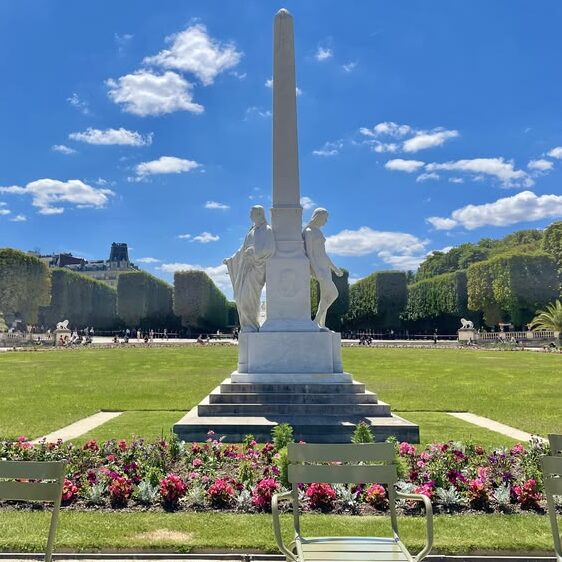
The palace is the famous part, but the grounds are where you can breathe. They’re enormous. Rent a bike or a golf cart if your feet are already sore, or walk down to the Grand Canal and find a patch of grass. Pack lunch. Palace food is expensive and not memorable.
Afternoon: the estate of Marie-Antoinette.
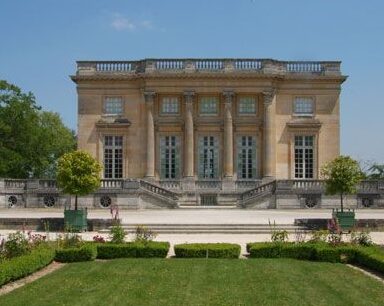
Most visitors never make it this far, which is the point. The Petit Trianon and the Queen’s Hamlet feel like a different place from the main palace: quieter, softer, almost rural. It’s a good way to spend the last two hours before heading back.
Evening: the Marais.
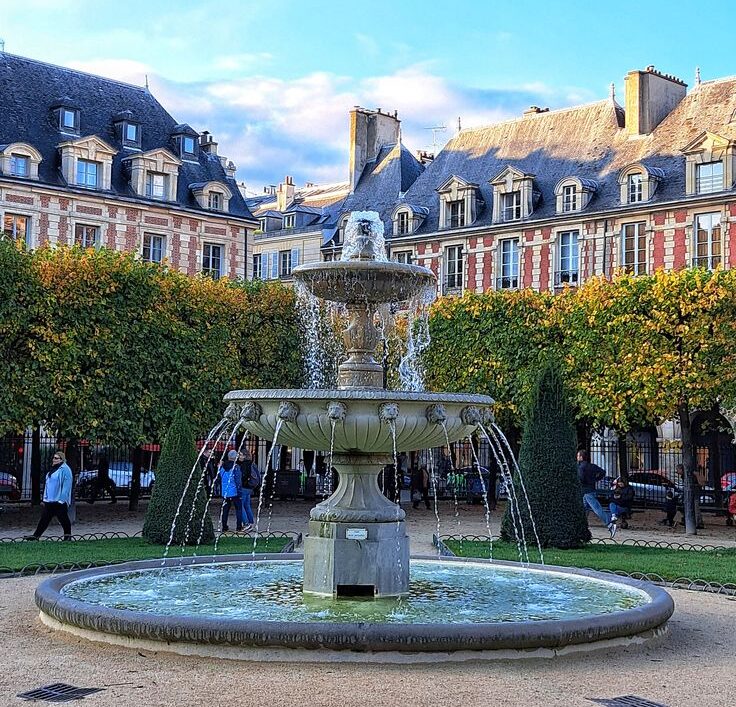
Back in Paris, the Marais is the best neighbourhood for a first-night-of-the-trip feeling on your third night. The streets are narrow, the stone is honey-coloured, and the bars spill onto the pavement. Wander the Place des Vosges, then find falafel on the Rue des Rosiers or a proper sit-down dinner. Order the thing you can’t pronounce.
Day 4: Orsay, Montmartre and the Seine at Night
The last day should feel like a reward, not a checklist.
Morning: Musée d’Orsay.
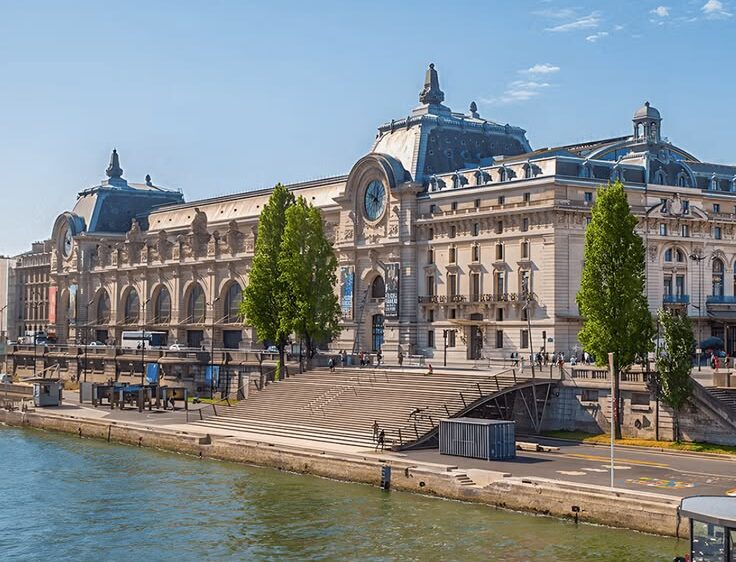
Housed in a former railway station, Orsay holds the best collection of Impressionist and Post-Impressionist painting in the world. Monet, Renoir, Degas, Van Gogh. It’s also much easier to handle than the Louvre. Two hours is plenty. Reservation is now required, so book a morning slot. At €16 at the door, it’s one of the better-value museums in the city, and your pass covers it. Look for the big clock window on the top floor. It’s the best photo in the building.
Lunch and afternoon: Montmartre.
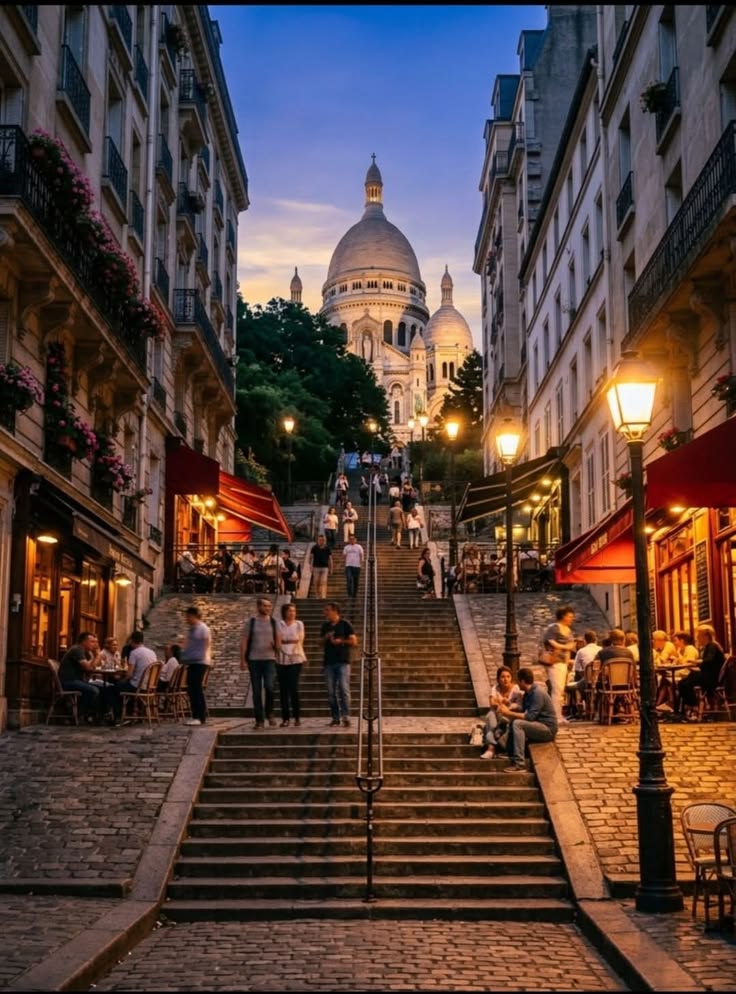
Take the Metro to Abbesses and climb. Montmartre is the hill the artists took over a century ago, and it still has the village feel, even with Sacré-Cœur crowds nearby. Skip the portrait artists in the main square, wander the side streets, and find a café with a terrace for a long coffee. Walk up to the basilica and sit on the steps for the free view across the whole city.
Optional: Père Lachaise.
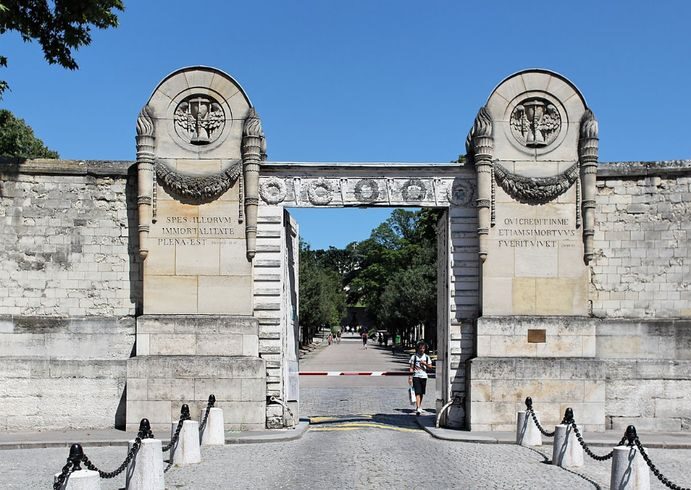
If you have energy to spare, the famous cemetery is a short Metro ride away. According to SmarterTravel, it needs no tickets, no reservations and has no queues. Oscar Wilde, Édith Piaf and Jim Morrison are all there. Grab a map at the gate and wander. It’s the most peaceful two hours you’ll have in Paris.
Evening: a Seine cruise.
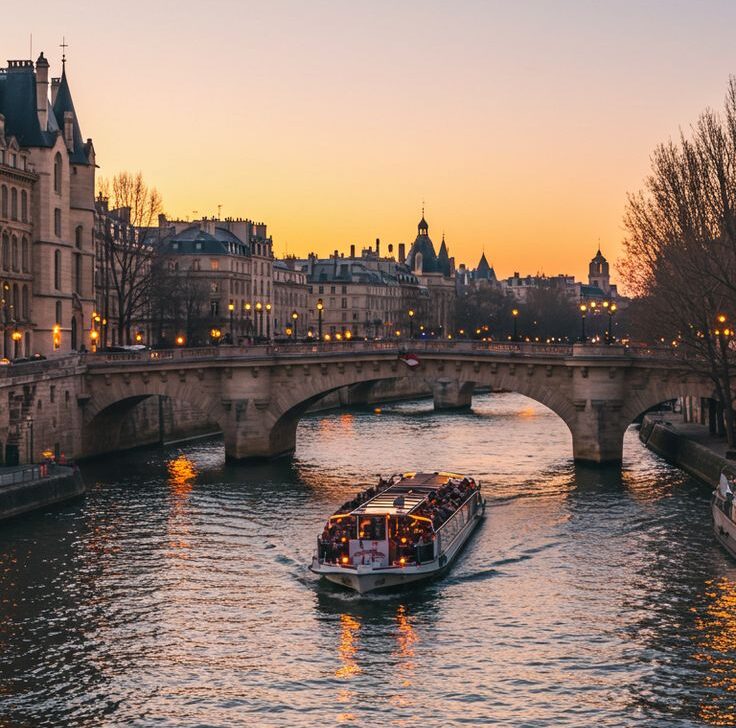
End the trip on the water. A river cruise at dusk shows you the Louvre, Notre-Dame and the Eiffel Tower from below, which is a perspective you can’t get on land. Aim for a departure just before sunset so you catch the light changing. Then walk back along the quay, find a bistro, and have a long final dinner. You’re allowed to be sentimental.
Where to Stay in Paris
Your base shapes your trip more than any single attraction, so choose it with some care.
Le Marais (3rd and 4th arrondissements). Central, walkable, great for restaurants and nightlife. Rooms are small and pricey, but the location saves you transport time.
Saint-Germain-des-Prés (6th). Quieter, more polished and close to Luxembourg Gardens and the Seine. A good fit for couples and anyone who likes cafés more than clubs.
Montmartre (18th). Atmospheric and a little cheaper, with a village feel. You’ll climb hills every day, so pack comfortable shoes.
Near a Metro hub. If budget is tight, consider the 9th or 10th arrondissements, close to Gare du Nord and Gare de l’Est. They’re less pretty, but you can reach everything on this itinerary within 20 minutes.
Whatever you pick, check the hotel’s real amenities rather than the marketing copy. Look for a lift (many older Parisian buildings don’t have one), air conditioning if you’re travelling in summer, and recent guest photos of the actual room. Paris rooms are small by almost any standard, and a “double” can mean a bed with a few inches of floor around it. Our team at Nitah Tours and Travel can shortlist hotels that match your budget and check the details before you pay.
Getting Around: The Practical Bit
Paris is compact, and the Metro is the quickest way to cover it. Buy a rechargeable pass or ticket rather than single tickets, and keep your phone and wallet in front pockets on crowded lines. Pickpockets work the busiest stations and the Eiffel Tower area, so a zipped bag is a smart habit.
You’ll also walk a lot. Most visitors cover 15,000 to 25,000 steps a day on a trip like this. Comfortable shoes beat stylish shoes every time, and Paris is a city that forgives sneakers.
For airport transfers, the RER B train links Charles de Gaulle to central Paris. Taxis run on set fares from the airport, which is worth checking before you travel.
Eating Well Without Overspending
Food is half the reason people love Paris, and it’s easy to get wrong.
- Breakfast: a boulangerie croissant and a coffee, standing at the counter. Cheaper than sitting down.
- Lunch: the formule or plat du jour. Two courses for a fixed price, usually the best value of the day.
- Snacks: a crêpe from a street stand, a baguette sandwich, or fruit from a market.
- Dinner: book ahead for anywhere popular, especially at weekends. Many good bistros are small and fill up.
Water from a carafe is free in French restaurants. Ask for une carafe d’eau. And tipping is modest, since service is already included in the bill.
Seven Mistakes to Skip
- Arriving at the Louvre with no booking. You’ll queue, or you won’t get in.
- Buying Eiffel Tower tickets from a random site. Use the official domain.
- Stacking too much into one day. Two big sights a day is the realistic ceiling.
- Forgetting the pass doesn’t cover the Eiffel Tower. Budget for it separately.
- Eating on the main tourist squares. Walk two streets away.
- Skipping the gardens and parks. Paris is a city for sitting as much as for sightseeing.
- Leaving no time to wander. Some of the best moments happen when you’ve got nothing booked.
A Rough Budget
Costs vary by season and style, but here’s a framework for the fixed costs: the 4-day Museum Pass at €105, an Eiffel Tower ticket, a Seine cruise, local transport, and food. Add your flights and hotel on top. Spring and autumn are cheaper than July and August, and the weather is gentler. If you’re travelling from Uganda, flight timing can shift your budget more than anything else, so it pays to compare options early. Nitah Tours and Travel can search fares and package the whole trip so you’re not juggling tabs.
The Last Word
Paris rewards a bit of homework, and then it rewards you for leaving the homework behind. Book the big three: the Louvre, the Eiffel Tower and Versailles. Buy the 4-day pass and use it every day. Eat lunch like a local. Leave an hour each afternoon with nothing on it.
Do that, and the city does the rest. You’ll remember the light on the Seine and the sound of a café at 8 a.m. more than any queue you skipped.
Ready to plan your Paris trip? Tell us your dates and budget, and Nitah Tours and Travel will help with flights, hotels and visa guidance. Which day of this itinerary would you most want to do first? Drop your answer in the comments.
Leave a comment: