

- 5 Views
- 11 Min Read
- (0) Comment
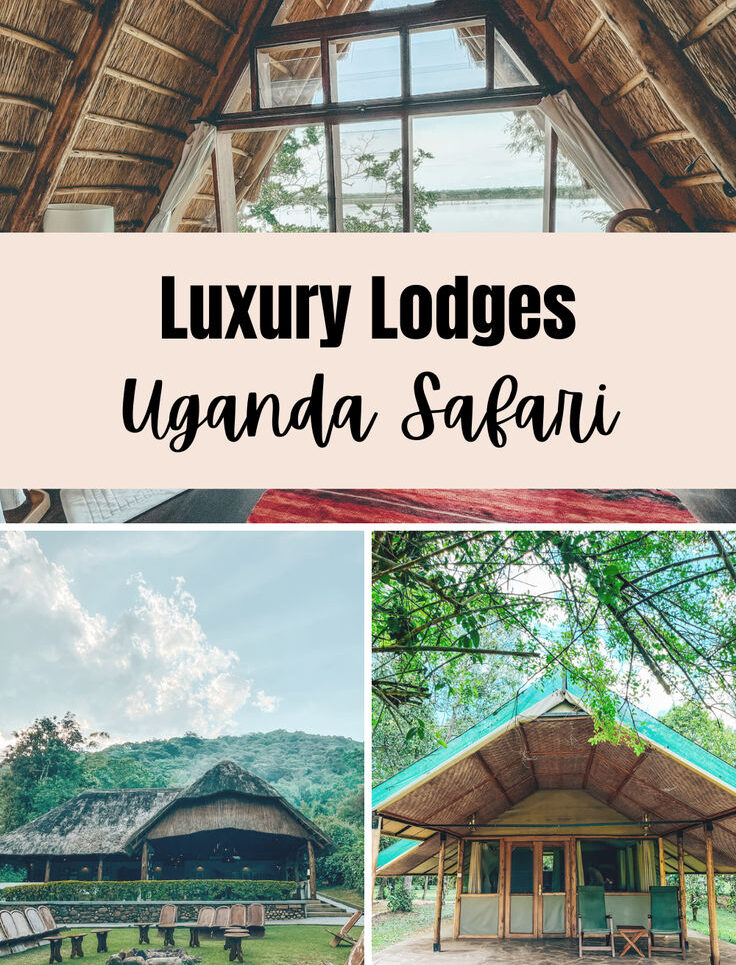
Compare the best safari lodges in Uganda by budget, from $50 camps to $1,500 luxury suites. Real lodge names, honest price ranges and tips for choosing yours.
Here is a truth the brochures skip: in Uganda, the animals don’t care what you paid for your room.
The hippos in the Kazinga Channel will yawn at you whether you sleep in a canvas tent or a suite with a plunge pool. The chimpanzees in Kibale will drop fruit on your head either way. The lodge you pick doesn’t change the wildlife. It changes how you feel at 5:30 a.m. when the guide knocks, and how you feel at 9 p.m. when you have a hot shower and a decent steak waiting.
So the real question is where your money does the most work. This guide walks through the best safari lodges in Uganda at three price levels, with real names, honest trade-offs and a few opinions you can argue with.
What Uganda Safari Lodges Actually Cost in 2026
Start with the numbers, because they vary wildly depending on who you ask.
One 2026 lodge comparison puts budget stays at roughly $100 to $180 a night, mid-range at $150 to $300, and luxury at $400 to $800 or more. Another cost guide lists budget lodges at $50 to $100, mid-range at $120 to $300, and luxury from $400 up to $1,500 or more. A third Uganda price guide lands in similar territory.
Why the gap? Budget in Uganda covers everything from a $15 campsite to a clean en-suite room with breakfast. Rates also change by season, by whether meals are included, and by whether you book direct or through an operator. Treat any single figure as a starting point, not a promise.
A rough working scale for your planning:
- Budget: about $50 to $150 per night, often bed and breakfast
- Mid-range: about $120 to $300 per night, usually full board
- Luxury: about $400 to $1,500 or more per night, typically all-inclusive of meals and some activities
One more cost sits outside the lodge entirely. If gorillas are on your list, a foreign non-resident permit costs $800 in 2026. Decide your lodge budget with that figure already subtracted from your total.
Budget Safari Lodges in Uganda: Cheap Doesn’t Mean Miserable
Budget travel in Uganda has a good reputation, and it earns it. The country has a long tradition of backpacker camps, community-run rest camps and park-managed bandas. You trade polish for atmosphere, and plenty of travellers say they got the better end of that deal.
Expect clean basics: a bed, a net, hot water that arrives by solar power if the sun cooperated, and a bar where everyone compares sightings. Don’t expect air conditioning or a spa menu.
Red Chilli Rest Camp, Murchison Falls
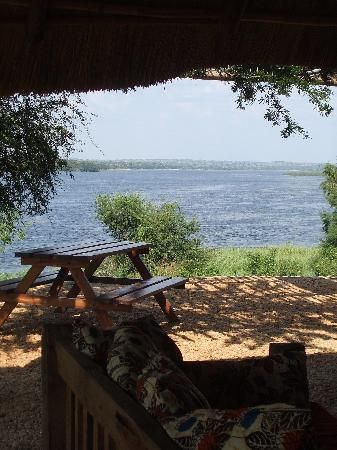
If one budget name comes up in every Murchison conversation, it’s this one. Red Chilli has run budget lodges, campsites and tours in Uganda since 1999, and in 2002 it won the Uganda Wildlife Authority concession to manage the rest camp at Paraa.
The location does most of the selling. The camp sits about 500 metres from the Paraa ferry, the crossing point for game drives on the northern bank of the Nile. That means you skip a long early-morning drive before the day starts. The facilities include a stocked bar, a restaurant, solar hot water and an evening bonfire. You can choose bandas, safari tents or a campsite, so the same address works for a backpacker and a couple who want a private room.
Hornbill Bush Lodge, Murchison Falls
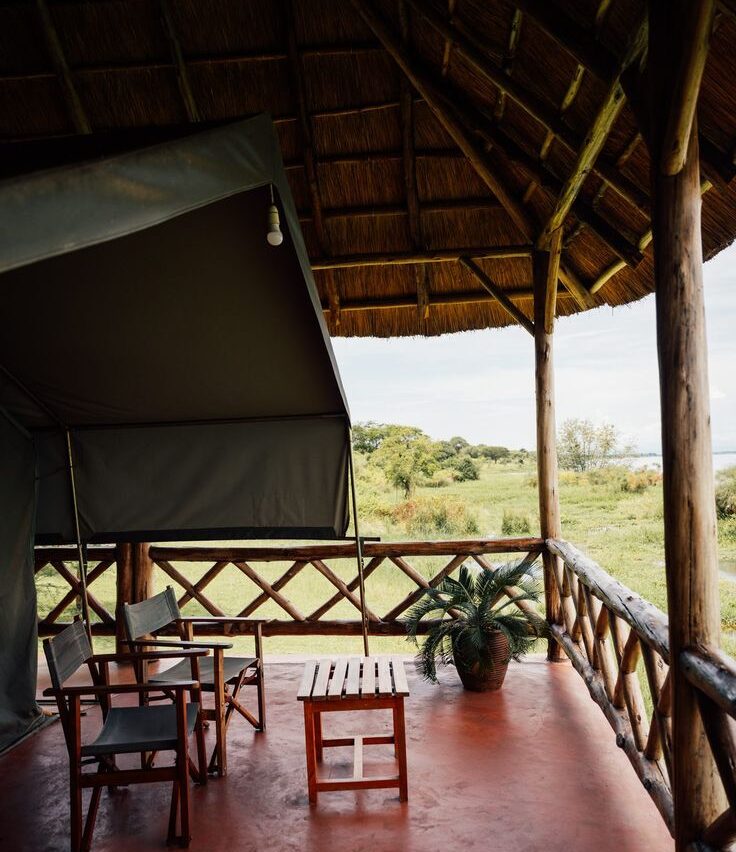
Another budget pick in the same park, Hornbill Bush Lodge runs on solar power and offers Nile views plus guided activities. If Red Chilli feels too social, this is a quieter alternative.
Rwonyo Rest Camp, Lake Mburo
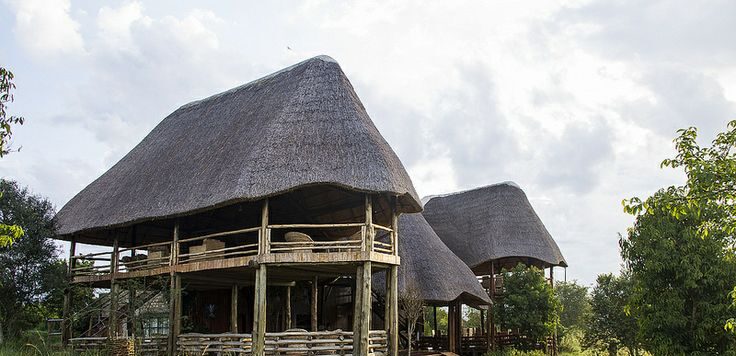
Lake Mburo is the closest park to Kampala that feels properly wild, and Rwonyo Rest Camp is its budget anchor. The Uganda Wildlife Authority manages it, about a kilometre from Shanga gate, with tents and bandas. It is basic, and it is also the cheapest way to sleep inside the park, where zebras graze at dusk within sight of the camp.
Buhoma Community Rest Camp, Bwindi
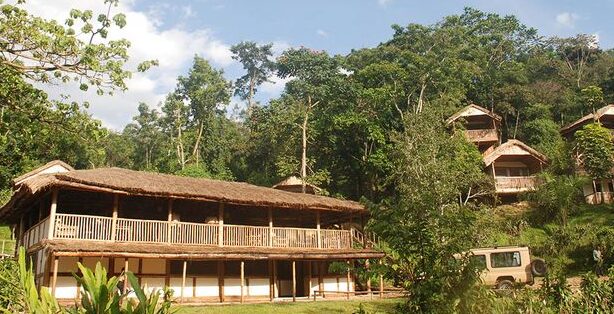
For gorilla trekkers, the budget answer in Bwindi is Buhoma Community Rest Camp, listed alongside other budget options such as Red Chilli Camp and Simba Safari Camp. Staying at a community-run camp also keeps money in the villages around the forest, which is a decent reason on its own.
Who Should Pick Budget
Budget lodges suit people who spend their days outdoors and treat the room as a place to sleep. They also suit anyone who just paid $800 for a gorilla permit and wants to keep the rest of the trip sensible. If you are travelling with children, check the sleeping arrangements and bathroom setup first, because some camps offer shared facilities.
Mid-Range Safari Lodges: The Sweet Spot for Most Travellers
Ask a dozen Uganda guides where most of their guests stay and you will hear the same answer. Mid-range is where comfort and value meet. Several lodge guides argue the wildlife viewing is identical to the luxury tier; the difference sits in room finish and menu sophistication.
At this level you usually get an en-suite room, proper meals, a pool in many cases, and staff who know the park. Prices tend to run $120 to $300 a night, though full-board deals can stretch that.
Murchison River Lodge and Sambiya River Lodge, Murchison Falls
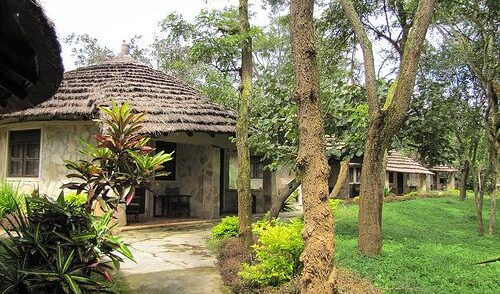
Operators regularly pair Bwana Tembo, Pakuba, Fort Murchison and Murchison River Lodge in their mid-range itineraries for this park. Sambiya River Lodge is also a regular mid-range choice. Both give you comfortable rooms without the Paraa price tag.
Kyaninga Lodge, Kibale
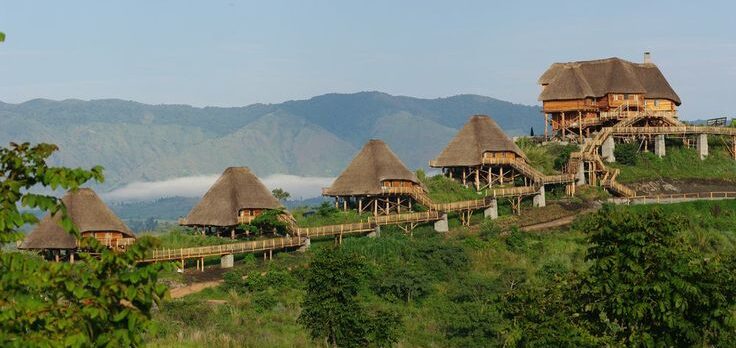
Kibale is chimpanzee country, and the mid-range lodges around it are some of the best value in the country. Kyaninga Lodge is often named as a top example, thanks to its location and amenities. If you are building a trip around chimp tracking, this is the kind of place that makes the early start worth it.
Twin Lake Safari Lodge and Elephant Lodge, Queen Elizabeth
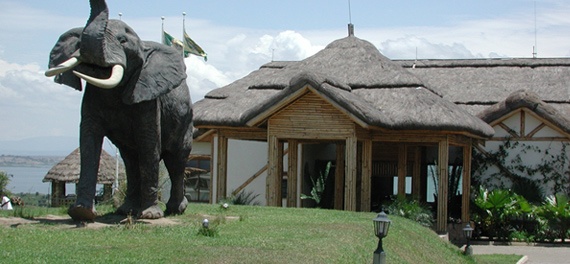
Queen Elizabeth has Twin Lake Safari Lodge and Elephant Lodge on mid-range itineraries. They are good alternatives when the famous lodges are booked solid in peak months.
Mburo Safari Lodge and Friends, Lake Mburo
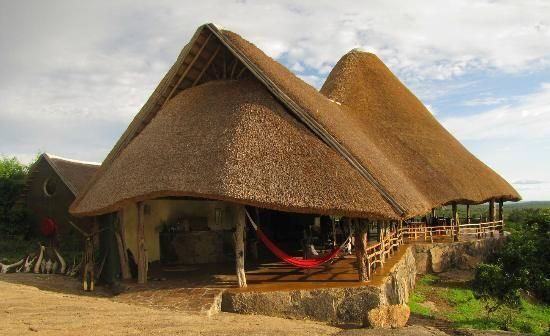
Lake Mburo has a healthy mid-range cluster. Names that come up include Kigarama Wilderness Lodge, Mburo Safari Lodge and Mpogo Safari Lodge. If you only have a weekend, this is the easy one to build around.
Mweya Safari Lodge: The Hard One to Categorise
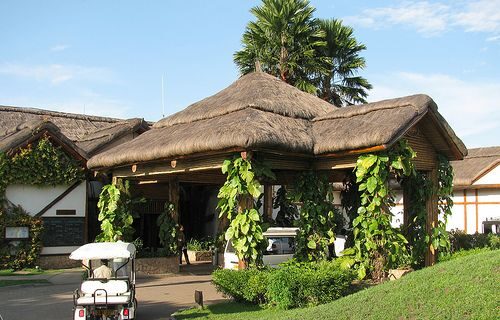
Mweya refuses to sit neatly in one box, and that is half its charm. One platform files it under mid-range, while others describe a large first-class lodge with everything from tents to presidential suites. Both descriptions are fair, because the price depends heavily on the room you pick.
What does not change is the view. The lodge sits on a peninsula above the Kazinga Channel, and every room overlooks the water, which holds one of the highest concentrations of hippos in the world. The park records over 600 bird species. You can watch much of that from the terrace with a drink in your hand.
A practical note: given the remote location, dietary requirements should be mentioned at booking.
Who Should Pick Mid-Range
First-time visitors, couples and families. If you want a good bed, reliable food and a guide who is not rushing you, spend here. This tier is where most of Uganda’s well-run lodges live, and it is where we would send the majority of our own clients.
Luxury Safari Lodges in Uganda: Paying for Privacy and Place
Luxury in Uganda is a different animal from luxury in Kenya or Tanzania. The country has fewer lodges, which means the best ones are often tucked into forests, on ridges or beside rivers, with a small number of rooms and staff who remember your name by the second morning.
Nightly rates run from $400 to $1,500 or more depending on the lodge and the season.
Paraa Safari Lodge, Murchison Falls
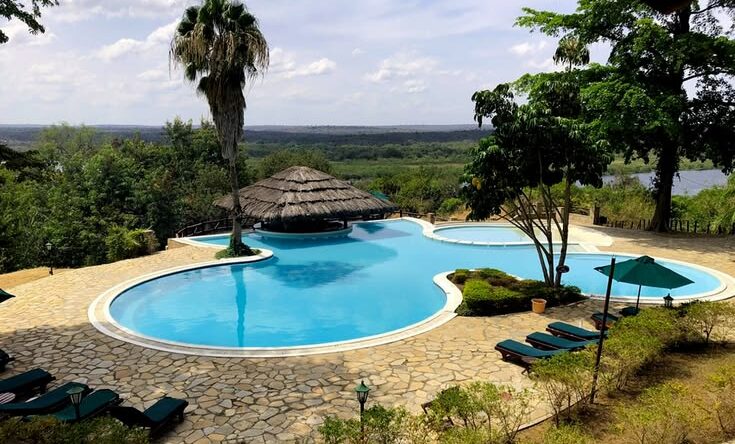
Paraa is the classic. It is described as an iconic luxury lodge overlooking the Nile with stylish rooms and river views. The boat cruise to the bottom of the falls leaves from the Paraa jetty, so the activity starts at your doorstep.
Mihingo Lodge, Lake Mburo
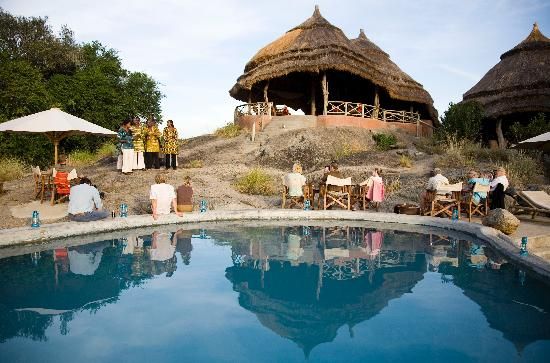
Mihingo sits on a rocky outcrop with views across Lake Mburo National Park. It is privately owned, covering around 20 acres, and it offers a pool, a bar and game drives. For a short getaway from Kampala that still feels like a proper splurge, it’s hard to beat.
Apoka Safari Lodge, Kidepo Valley
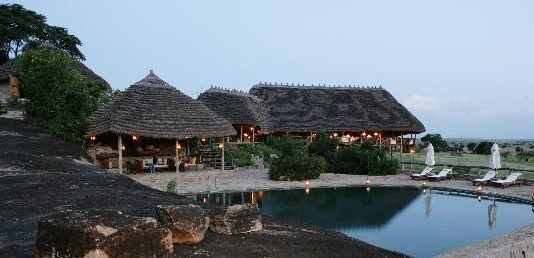
Kidepo sits in the far north-east and requires a longer journey, which keeps the crowds thin. Apoka is priced at about $1,000 to $1,500 per night, among the highest in the country. You are paying for remoteness and space as much as the room.
Mweya, Again
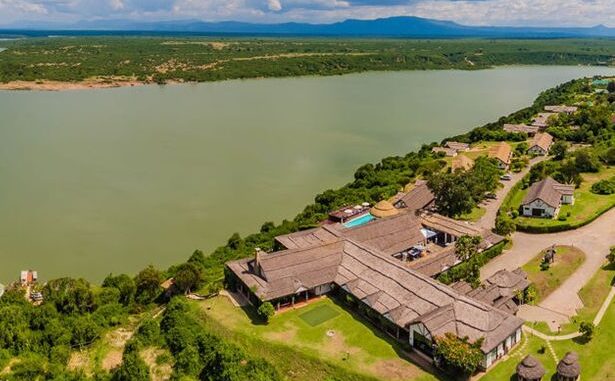
If your budget leans luxury but not extreme, the upper room categories at Mweya give you cottages and suites with the same channel views. It is a middle road between a Kidepo splurge and a mid-range stay.
Who Should Pick Luxury
Honeymooners, anniversary trips, and anyone who wants the trip itself to be the event. It also suits older travellers who want an easy bed, quiet evenings and a manager who solves problems before you notice them. Be honest with yourself about the arithmetic, though. A luxury lodge is a purchase of comfort and privacy, not of better animals.
A Quick Region-by-Region Cheat Sheet
| Park | Budget | Mid-range | Luxury |
|---|---|---|---|
| Murchison Falls | Red Chilli Rest Camp | Murchison River Lodge, Sambiya River Lodge | Paraa Safari Lodge |
| Queen Elizabeth | Bush lodge style camps | Twin Lake, Elephant Lodge | Mweya (upper rooms) |
| Kibale | Camp tents | Kyaninga Lodge | Ndali and Primate Lodge style properties |
| Lake Mburo | Rwonyo Rest Camp | Mburo Safari Lodge | Mihingo Lodge |
| Bwindi | Buhoma Community Rest Camp | Community lodges near the forest | Gorilla forest camps |
| Kidepo | Basic camps | Limited options | Apoka Safari Lodge |
Several of these names come from the same operator itinerary, which sorts lodges into luxury, mid-range and budget for each park. It’s a handy way to cross-check anything you find online.
How to Choose: Five Questions Worth Asking
Price lists only get you halfway. Before you pay a deposit, ask these.
1. What does the rate include? A safari quote should state permits, meals, transfers and activities. A cheap nightly rate that excludes meals and drinks can end up costing more than a full-board mid-range stay.
2. How far is the lodge from the activity? Staying inside or beside the park saves hours. Red Chilli’s closeness to the Paraa ferry is a good example. A cheaper lodge an hour outside the gate sounds smart until you start paying for fuel and losing the best light.
3. Which season are you travelling in? The dry months of December to February and June to September are ideal for wildlife viewing, and lodges fill early. If you can travel in a shoulder month, you often get better rates.
4. Who is guiding you? The best lodge in the country will disappoint if the guide is rushed. Ask about the vehicle, the group size and the guide’s experience. Read traveller reviews before committing.
5. Do the facilities match your needs? Hot water, charging points, Wi-Fi, a pool for kids, step-free access for older guests. Write your list down and ask direct questions. If you want to know how to separate genuine facilities from glossy photos, our guide on checking real amenities against marketing claims covers exactly that.
Mix and Match: The Smartest Way to Spend
You do not have to pick one tier for the whole trip. Plenty of experienced travellers use a hybrid approach: a luxury or upper-mid-range room in the place where the lodge is the experience, and a simpler room where you will only be sleeping.
For example, you might spend two nights at a budget camp near the Murchison ferry, move to a comfortable mid-range lodge in Kibale for chimp tracking, then treat yourself to a view-heavy night at Mweya. The operator itineraries we looked at do exactly this, pairing different tiers within a single route.
The money you save on three budget nights can pay for one memorable luxury night. That’s a better use of the same budget than spreading it evenly.
Mistakes to Avoid
A few patterns show up again and again.
- Booking on photos alone. Ask for recent pictures of the exact room type.
- Ignoring road times. Uganda’s parks are far apart. A trip that looks neat on a map can turn into long days in a vehicle.
- Forgetting the permit. Gorilla trekking adds a big fixed cost, so budget for it first.
- Assuming expensive means better wildlife. It does not. Nothing in the park changes based on your room rate.
- Leaving it late. Popular lodges in peak months sell out well in advance.
Your Next Step
Pick your budget, pick your parks, and build the trip around the activities you care about most. If chimps and gorillas are the priority, spend where you sleep close to the forest. If big game and boat cruises matter more, Murchison and Queen Elizabeth give you the strongest return.
Not sure where to start? The team at Nitah Tours and Travel can match lodges to your dates, your budget and your route, and handle the booking so you are not chasing quotes across ten websites. Tell us how many nights you have and what you want to see, and we will send you a few options that fit.
And a question to leave you with: if you could only upgrade one night of your trip, which park would you pick?
Prices in this guide come from published 2026 lodge and safari guides and vary by season, room type and operator. Always confirm current rates before booking.
Leave a comment: