

- 5 Views
- 15 Min Read
- (0) Comment
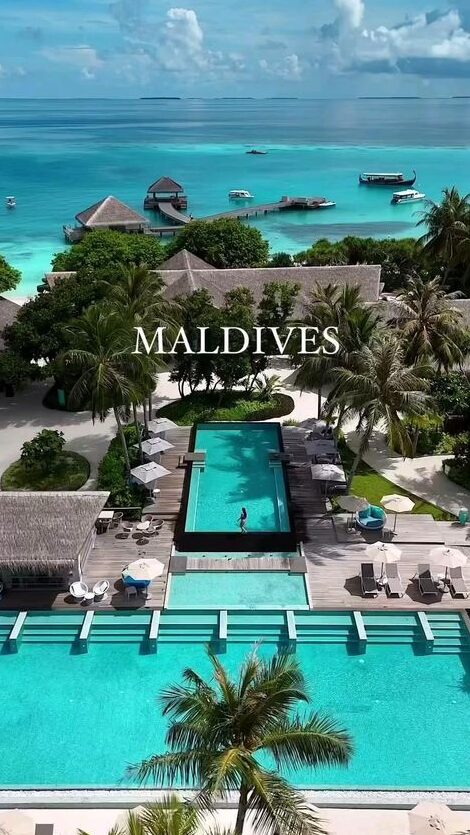
Planning a Maldives honeymoon? Here is the best season, what resorts and transfers really cost, and how to book smart, with tips for couples flying out of Uganda.
By the Nitah Tours and Travel team
There is a moment, somewhere around the second week of planning a Maldives honeymoon, when the dream meets the spreadsheet. You have pinned the overwater villa with the glass floor. You have watched the sunset-dinner reel four times. Then you open a booking page, and a number appears that looks like a typo.
It is not a typo. The Maldives is one of the few places on earth where you pay for the island itself. Every resort sits on its own private patch of sand, which means no neighbours, no traffic and no crowds, and a price tag to match. The good news is that the price is far more flexible than the brochures suggest. Choose the right month, the right kind of resort and the right transfer, and the same lagoon costs half as much.
This guide walks you through all of it: when to go, what to pay, which kind of stay suits which kind of couple, and how to get there from Entebbe without any surprises at the airport. We have kept the numbers current for 2026 and linked the sources as we go, so you can check our homework.
The Best Time for a Maldives Honeymoon
Start with the weather, because it drives everything else, including price.
The Maldives has two seasons. The dry season comes with the northeast monsoon and runs from December to April, bringing low humidity, calm seas and sunshine across most atolls. Some operators stretch it to cover November through April, and that wider window is useful, as you will see in a moment. The wet season takes over from May and lasts into the autumn. June to August is when the southwest monsoon is at full strength, and September can be the rainiest month of the year.
For a honeymoon, the dry season is the obvious pick. Beach dinners, sunset cruises and long lazy afternoons on a private deck all work better when the sky cooperates. January and February are the most dependable months, and one resort guide singles out February for guaranteed sun and late November for improving weather at shoulder-season prices. That second suggestion is the sharp one. Early in the season, the weather has already turned friendly while the crowds and the rate cards have not caught up yet.
Here is the catch. The dry months are also peak season, so the best villas go early. If you are marrying in the next few months and want a December or January stay, book flights and accommodation several months out, not several weeks.
Is the wet season really that bad?
Not as bad as its reputation. Rain in the Maldives tends to arrive as short, heavy showers rather than grey days that never lift. Central-atoll data suggests even wet-season months still average six to seven hours of sunshine a day. The sea stays warm. The islands empty out. And if marine life is your thing, the wet season is when manta rays and whale sharks come to feed, so a snorkel off the reef can be extraordinary.
The trade-off is wind and swell, which can make the sea choppy and the occasional boat trip bumpy. If either of you gets queasy on water, factor that in. If you can live with a passing storm and a few cancelled excursions, the wet season is the honeymooner’s loophole. It is also the best time to travel on a budget, with resort and flight prices dropping noticeably between May and November.
How big is the seasonal price swing?
Bigger than most couples expect. One published 2026 package from Avani+ Fares Maldives shows the gap clearly. Three nights in an overwater villa, half board, with return seaplane transfers and green tax included, costs $1,708 per person (sharing a villa) for stays between mid-April and the end of September. Move the same villa to the October-to-December window and the price jumps to $2,728 per person. Same room, same reef, roughly 60 percent more.
The lesson: you do not have to choose between good weather and a sane budget. You have to choose which of the two matters more to you, and then pick your month on purpose.
What a Maldives Honeymoon Costs in 2026
Let us talk money without flinching. A Maldives honeymoon has five cost layers, and the villa is only one of them.
1. The room
Nightly rates cover a wide range. At a mid-range four-star resort, expect roughly $400 to $800 a night for a beach villa and $600 to $1,200 or more for an overwater villa. Five-star names like Baros or Gili Lankanfushi can run $1,500 to $3,000 and up. At the very top, the numbers get silly: a 2026 cost breakdown puts entry-level water retreats at luxury private-island resorts near $3,400 a night with seaplane transfer and meals included, and a single seven-night stay can pass $30,000.
Most couples land somewhere in the middle, and the middle is lovely.
2. The green tax
Every visitor pays it. The Maldives green tax is $12 per person per night at resorts, hotels and safari vessels, and $6 at guesthouses. Children under two are exempt. The rate doubled on 1 January 2025, and the Maldives Tourism Act amendment set the new tiers. On a seven-night resort stay for two, that comes to $168. Check whether your rate includes it, because many listings add it at checkout.
3. The transfer
This is the line item that ambushes first-timers. Your resort is on an island, and you will reach it by speedboat, seaplane or a domestic flight followed by a boat. Roughly speaking, shared speedboats to resorts within about 80 kilometres of Malé cost $100 to $490 per person, while shared seaplanes to farther resorts run $400 to $820 per person. A separate wedding-planning guide puts the seaplane at $920 to $1,300 per couple. Whichever figure applies to your resort, seaplane transfers are rarely included in a standard room rate, even on all-inclusive plans, so ask before you book.
Two practical points. Seaplanes fly in daylight only, roughly 06:00 to 15:30. If your international flight lands late, a seaplane resort may mean an extra night in Malé. And because the transfer is a flat fee, it makes a short trip expensive per night. If your resort needs a seaplane, stay at least seven nights so the transfer stops dominating your daily cost.
4. Food and drink
On a private island, there is nowhere else to eat. A resort meal can cost $50 to $100 per person, with cocktails at $15 to $25. Two people eating three meals a day with a drink or two quickly adds a few hundred dollars daily. That is why half board, full board and all-inclusive plans matter so much here. All-inclusive packages often prove the cheaper option for couples who enjoy a drink with dinner, though you should read what the plan actually covers (premium spirits, spa credits and late checkout are common sticking points).
5. Flights
From Entebbe, you will connect through a Gulf or East African hub. One route planner shows Entebbe to Malé journeys of about 13 hours via Dubai, with fares listed between roughly $330 and $1,300 depending on route and season. Treat that as a guide, not a quote.
Putting it together
Here is our own back-of-envelope arithmetic, using the ranges above for a seven-night stay for two:
- Beach villa at a mid-range resort: about $3,800 to $9,700 in total, covering the room, green tax, transfers and return flights, before meals, drinks and spa.
- Overwater villa at a mid-range resort: about $5,200 to $12,500 on the same basis.
- Luxury private island: expect to start well above that, and to land in five figures once food is in.
If those numbers sting, keep reading. The next section is about how to bring them down without losing the magic.
Choosing Your Base: Resort, Guesthouse or Something Between
The classic private-island resort
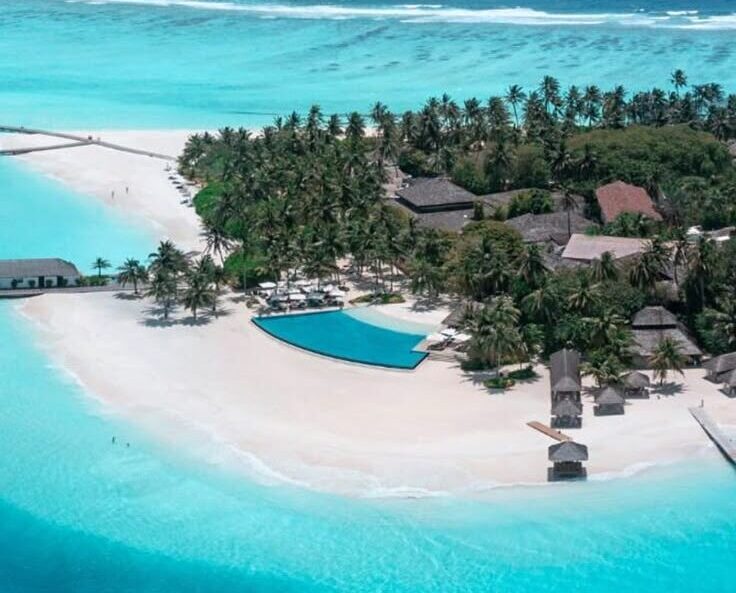
This is the postcard: one island, one resort, a jetty, a reef and a villa on stilts. You get privacy, service and a staff who learn your names by day two. You also get the full price stack described above. For a once-in-a-lifetime honeymoon, many couples decide this is exactly the point.
When comparing, look past the villa photos and ask three questions. How far is the resort from Malé, and what does that mean for the transfer? What does the meal plan include? And how is the house reef? A resort with a healthy reef steps you straight into the water, which beats any excursion fee.
The local-island guesthouse
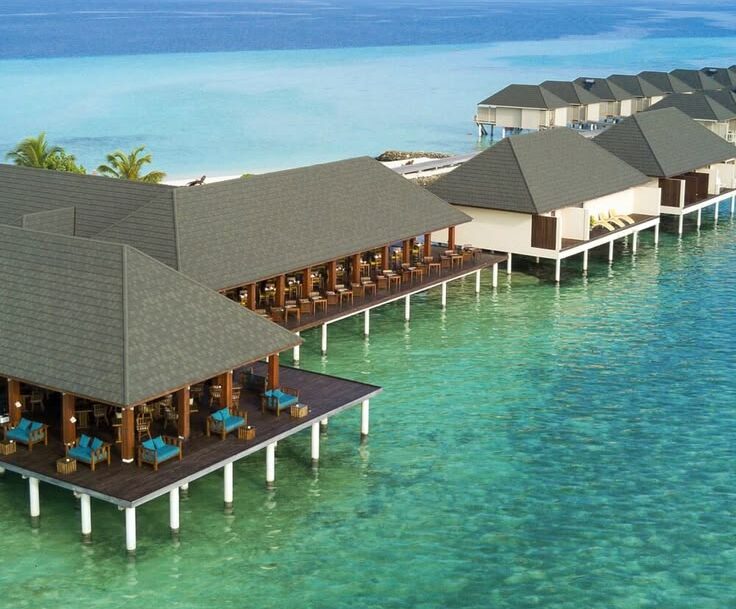
The Maldives opened its inhabited islands to guesthouses years ago, and the budget route has grown up. Islands such as Maafushi, Dhigurah, Ukulhas and Thulusdhoo offer simple, comfortable stays at a fraction of resort prices, and the green tax is half the resort rate. The trade-offs are real, though. Alcohol is not sold on local islands, you will swim at a designated bikini beach rather than from your own deck, and the atmosphere is village life rather than private luxury. For couples who care more about the reef than the room service, it is a smart way in. Some couples even split the trip: a few nights on a guesthouse island, then a final splurge night or two at a resort.
The speedboat resort
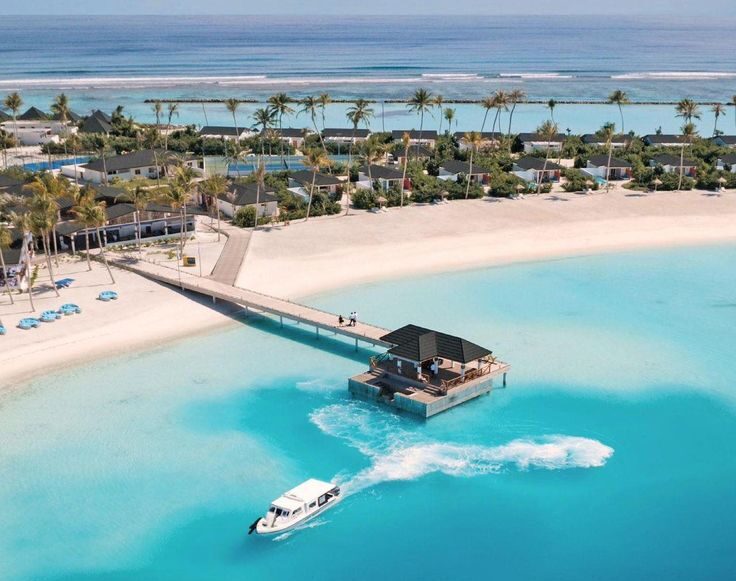
The sweet spot for many couples. Resorts in the nearby atolls are reached by a short speedboat from the airport, which keeps the transfer cost down and removes the daylight-only seaplane constraint. You land, you step onto a boat, and within an hour you are barefoot. If the budget is tight but you still want the private-island experience, filter your search by transfer type before you filter by villa.
Matching the Resort to the Couple
There is no single best Maldives honeymoon resort, only the best one for the two of you. A few honest archetypes.
The sunset-and-spa couple. You want slow mornings, a good massage and dinner on the sand. Choose an adults-leaning resort with a strong spa and a handful of restaurants, so dinner does not repeat. Several well-regarded properties have honeymoon-heavy guest lists, which means the staff know the routine: the flowers, the cake, the private dinner.
The reef-obsessed couple. You will spend half your waking hours face down in the water. Choose a resort with a house reef you can reach from the villa, and visit between November and April, when snorkelling and scuba conditions are at their best. Ask whether the resort has a marine biologist on staff, since that is usually a good sign.
The budget-savvy couple. You would rather spend on experiences than on a bigger bed. Go in the wet season, pick a speedboat-accessible resort, and book half board. Or build a split stay with a guesthouse island. The savings can fund a private dinner on a sandbank, which people tend to remember longer than the thread count.
The have-it-all couple. Money is not the limit, privacy is. Look at the ultra-luxury islands where a villa comes with its own pool, butler and often a slide into the lagoon. At the top end, you are buying space and silence, and the resort will usually include seaplane transfer and meals in the rate.
Overwater Villa or Beach Villa?
The overwater villa is the image everyone has in their head, and it earns the hype: a deck over turquoise water, steps into the lagoon, the sound of tiny waves beneath the floor at night. It also costs more. A beach villa gives you sand underfoot, usually more garden-style privacy and often a bigger plot, for less money.
Our view: if the overwater villa is the picture you have been carrying around since the engagement, book it, even if it means fewer nights. If you are choosing between a short overwater stay and a longer beach stay, the longer stay almost always feels better. Honeymoons are about time together, and time is what the transfer fee punishes.
A pool villa adds a private plunge pool for a premium that can be steep. It is worth it if you plan to stay in your villa most of the day, and a luxury if you are out on the reef anyway.
Getting There From Uganda
There is no direct flight from Entebbe to Malé, so you will connect. Popular routings run through Dubai, Doha, Addis Ababa and Nairobi, and a mix of carriers serve the legs. Fly Dubai, Emirates, Qatar Airways and Kenya Airways are among the airlines flying the route. Long layovers are the usual enemy, so look at total journey time and not just the fare. One more thing worth knowing: arrivals to the Maldives dipped earlier this year amid conflict in the Middle East, a reminder to check your connecting hub and the latest travel advice before you pay.
Because seaplanes stop flying around mid-afternoon, line up your flight times with your resort’s transfer schedule. A midday arrival into Malé is ideal for a seaplane resort. A late-night landing suits a speedboat resort, or a night in a Malé hotel.
Visa, forms and the yellow fever certificate
Here the Maldives is generous. Tourists of nearly all nationalities receive a free 30-day visa on arrival, with no application in advance. You do need to complete the free Traveller Declaration on the official IMUGA portal within 96 hours before you arrive. Immigration has warned about lookalike websites that charge for the form, so use only the official portal.
The detail Ugandan couples must not miss is the vaccination certificate. Under UK government travel advice, travellers arriving from a country with yellow fever transmission risk must show a vaccination certificate, and Uganda is on the World Health Organization’s risk list. Carry your yellow card in your hand luggage, not in a checked bag. If you have not been vaccinated yet, do it well ahead of your travel date, since the certificate becomes valid after a waiting period. Our guide on yellow fever vaccination for Ugandans covers the steps, and the team at Nitah Tours and Travel can point you to the right clinic.
Other basics: keep your passport in good condition with a blank page for the visa stamp, carry proof of onward travel and your hotel booking, and make sure your passport is valid for at least a month beyond your stay (many couples keep to the usual six-month rule for peace of mind).
Smart Booking Moves for Couples
A handful of habits separate the couples who feel they got a bargain from the ones who feel they got taken.
Compare all-in prices, not headline rates. A villa at $600 a night with no transfer, no meals and green tax added at checkout is not cheaper than one at $750 with all three included. Build a spreadsheet with the same five columns for every shortlisted resort: room, green tax, transfer, food, flights.
Read the meal plan line by line. Ask what is covered at the bar, whether the spa and excursions are included, and whether the plan changes during peak weeks such as Christmas and New Year.
Use the shoulder weeks. Late November and the stretch from April into early May often bring nice weather with calmer prices. The Avani+ example earlier shows how much the calendar alone can move the bill.
Tell the resort it is a honeymoon. Many resorts add a flower arrangement, a cake, a turndown with petals or a room upgrade when space allows. It costs nothing to mention it when you book and again at check-in.
Book flights and resort together. Because of the seaplane window, a delayed international flight can derail your first night. Booking through a travel agent means someone is on the phone with the resort if your flight runs late.
Do not shorten the stay to save money. Spreading the fixed transfer and flight costs over more nights lowers the cost per night. Five nights at a seaplane resort often feels more expensive than seven.
Pack for the island, not the postcard. Reef-safe sunscreen, a light rain jacket for wet-season trips, a dry bag for boat rides and a power adapter. Resorts sell all of these, at resort prices.
Sample Itineraries
Seven nights, balanced budget (dry season shoulder). Late November or April. Three nights at a speedboat resort in a beach villa, four nights in an overwater villa at the same resort, half board, one private dinner and one snorkel excursion.
Ten nights, two-island honeymoon. Four nights on a guesthouse island for local life and reef snorkelling, six nights at a private resort for rest. You trade some luxury for a lot more variety, and the average nightly cost drops.
Five nights, splurge short break. Fly midday, take the seaplane the same afternoon, and put your whole budget into an overwater pool villa with all-inclusive meals. Short and spectacular, and you accept a higher cost per night because the transfer is a fixed fee.
Ready to Plan Your Maldives Honeymoon?
The Maldives rewards couples who plan with their eyes open. Pick the season for the weather you want and the price you can live with. Add up the five cost layers before you fall for a villa. Decide whether you want privacy, a reef or a bargain, because rarely do you get all three. And handle the paperwork early, especially the yellow fever certificate and the IMUGA form.
One more thing. You do not have to piece this together alone. The team at Nitah Tours and Travel can compare resorts, price the full trip from Entebbe, and sort out your flights and transfers so the only surprise on arrival is how blue the water is. Tell us your dates and your budget, and we will build you a shortlist.
So, here is the question to settle over dinner tonight: overwater villa for fewer nights, or beach villa for more? Your answer says a lot about the honeymoon you want.

Leave a comment: