

- 12 Views
- 10 Min Read
- (0) Comment
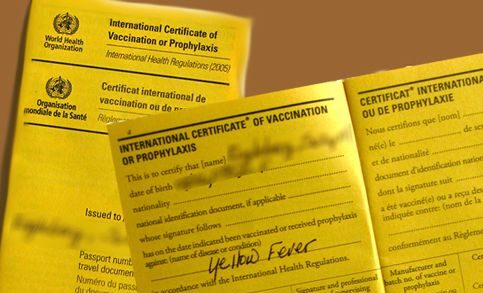
Uganda dropped its yellow fever entry rule in October 2026, but your yellow card still decides whether you board flights to many countries. Here is where to get it, what it costs and which destinations check.
A small yellow booklet can decide whether your holiday starts on time. Plenty of Ugandans have learned this at a check-in desk, watching an airline agent flip through a passport and ask the one question nobody rehearsed: “Where is your yellow card?”
Yellow fever is the odd one out among travel health rules. It is the only disease for which countries are allowed to demand proof of vaccination at the border. Get the paperwork right and nobody looks at it twice. Get it wrong and you can lose a flight, a booking deposit, or several days in quarantine.
October 2026 added a twist. Uganda changed its own rule, and the internet has not caught up. So here is the clear version, written for Ugandans who travel out, and for the visitors you may be booking trips for.
Uganda Just Dropped the Yellow Fever Certificate at Its Own Border
On October 2, 2026, Uganda’s immigration authority published a notice saying a yellow fever vaccination certificate is no longer a mandatory requirement for entry. The Ministry of Internal Affairs was answering a request from the Uganda Tourism Board. It also pointed out that the certificate does not appear on Uganda’s e-visa application. Other outlets confirmed that the government has updated its border entry protocols.
The change has a catch. The government removed the paperwork requirement. It did not say the vaccine stopped being a good idea. Public health guidance still recommends it for anyone spending time in Uganda.
Many travel blogs still say Uganda demands the card from everyone aged one year and above. Some were written months ago and never revised. One Kampala travel blogger noted back in August that visa applicants could apply online without uploading a yellow fever certificate, long before the formal notice landed.
If a client forwards you an article claiming “no card, no entry,” check its date first. Then check the official notice.
Why Ugandans Still Need the Card
Here is the part that matters for outbound travel. Uganda’s rule governs who gets into Uganda. Other countries write their own rules about people arriving from Uganda, and Uganda counts as a country with yellow fever transmission risk. A Ugandan passport holder flying to Asia, or even connecting through certain airports, can be asked for proof.
Those countries are protecting themselves from imported cases. Nobody there cares that your home government relaxed its border rule. They care where you boarded your flight.
Think of it like a tax clearance. Your own country may not ask for it, but the place you are going might. You carry it so the question never slows you down.
What the Vaccine Is, and Why Once Is Enough
Yellow fever is a virus spread by mosquitoes. Most infections are mild. A smaller share turn severe, with high fever, jaundice and bleeding, which is where the disease gets its reputation. There is no cure, only supportive care, so prevention does the heavy lifting.
The vaccine is a single injection. In July 2016, the World Health Organization changed the International Health Regulations so that the certificate is valid for the life of the person vaccinated. Before that change, the card expired after ten years and travellers needed boosters. The lifetime rule covers certificates issued before 2016 too.
Two details trip people up:
- The ten-day rule. The certificate becomes valid ten days after vaccination. Walk out of the clinic today and fly tomorrow, and border officers may treat your card as not yet active.
- The format. The record has to appear on the International Certificate of Vaccination or Prophylaxis, the real yellow booklet, with the clinic’s stamp and your details filled in correctly. A photo of a lab note will not do.
If you were vaccinated years ago and still have the card, you are probably covered. Check that your name matches your current passport and that the doctor’s signature and stamp are legible.
Which Countries Ask Ugandans for the Card
Rules shift, and every embassy writes them slightly differently, so treat this list as a starting point rather than a promise. Each destination below publishes its own position.
Singapore

Anyone arriving from a country with yellow fever risk needs a valid certificate. Singapore’s foreign ministry says it is valid ten days after vaccination and lasts for life. Travellers without one can be quarantined for up to six days, which is a very expensive way to see a hotel room.
India
Travellers aged nine months and above arriving from Uganda must carry a valid certificate. Without one, a quarantine of up to six days is possible. If you handle medical trips, business visits or religious tours to India, build this into your checklist.
South Africa.
Uganda sits on South Africa’s published list of countries for which a yellow fever certificate is required. That matters for anyone connecting through Johannesburg or heading to Cape Town for a conference.
Tanzania and the DRC.
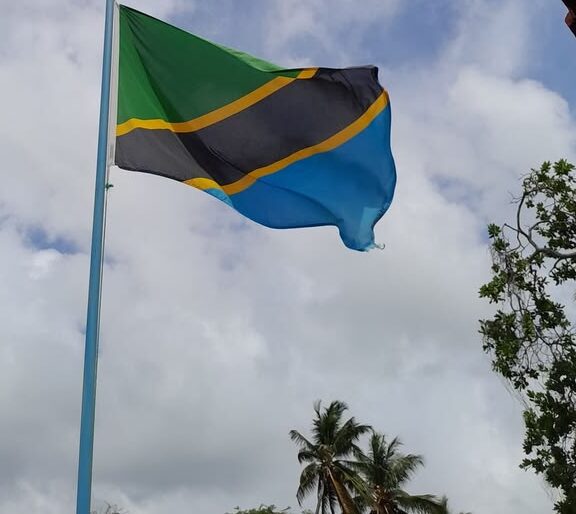
WHO’s country annex, last published in its 2022 edition, lists Tanzania as requiring proof from travellers arriving from risk countries. It lists the Democratic Republic of the Congo as asking for proof from all travellers aged nine months and above. Overland trips to Dar es Salaam, Kinshasa or Goma are where this tends to surprise people, because border officials are less predictable than airline systems.
Transit. Some countries also ask for the card when you pass through an airport in a risk country. A long layover in the wrong hub can trigger the same question as a final destination.
The simple rule: if the trip leaves East Africa for Asia, the Middle East or Southern Africa, expect to be asked. If it stays within East Africa, check the specific border.
Where to Get Vaccinated in Uganda
Not every clinic can issue a card that border officers accept. The Ministry of Health accredits facilities, and it has signed agreements with 21 health facilities to give the vaccine to international travellers. Later reporting on the Ministry’s new yellow fever cards named several Kampala options, including City Medicals, International Medical Centre and Kampala Medical Chambers, plus hospitals in border towns such as Tororo and Busia.
Entebbe Airport also has a health facility that has historically vaccinated travellers who arrive without a card. For someone leaving Uganda, though, a last-minute airport shot is a gamble. If your certificate is not yet ten days old, it may not satisfy the airline or the destination.
Facility lists change, so before you send clients anywhere, call and confirm three things:
- The clinic is accredited to issue the official yellow card.
- The vaccine is in stock that day.
- Walk-ins are accepted, or whether you need an appointment.
A five-minute phone call beats a wasted trip across Kampala traffic.
What It Costs
This is the question clients ask first, and the answer has moved around. Before the government’s recent campaign, Ugandans usually paid about 27 dollars at private health centres. During the campaign, the shot was free for people aged one to sixty at government sites, including schools, universities, hospitals and local government buildings.
So there are two possible answers today. If a public programme is running in your area, you may pay nothing. If not, expect a private clinic fee, plus a small charge for the card at some facilities. Ask the price before you roll up a sleeve, and ask whether the card fee is included.
A free shot can still cost you time. Queues at public sites can be long, and campaigns have rules about age and ID. Anyone with a tight departure date is usually better off paying at a private clinic and getting the card the same day.
Beware of Fake Cards
Where there is a rule and a deadline, someone sells a shortcut. Ugandan authorities have dealt with forged yellow cards for years. The Ministry of Health began issuing new standardised cards specifically to stop forgeries.
A forged card is a bad bet for three reasons:
- Airlines and border staff know what genuine cards look like, and fakes get caught.
- You get no actual protection from the disease, which defeats the point.
- Being caught with a false document can end your trip and cause problems with future visa applications.
The legitimate route takes about fifteen minutes and costs little compared with the flight you are protecting. A client who offers to “arrange” a card through a friend deserves a polite no.
Who Should Talk to a Doctor First
The vaccine suits most healthy adults, but not everyone. Check with a doctor before vaccination if any of these apply:
- Babies under nine months. Health authorities generally recommend the vaccine from nine months, and a doctor may approve it earlier only in special circumstances.
- Pregnancy or breastfeeding. Guidance is cautious here, and a doctor should weigh the risk of infection against the vaccine.
- Weakened immunity, a past thymus problem, or a severe egg allergy. These are the classic reasons for caution.
- Older adults. Age is a factor in how the body responds to the vaccine, so ask before you go.
If a doctor decides you should not be vaccinated, they can issue a medical exemption letter. Some countries accept it, others do not, so contact the embassy of your destination before you travel and ask what they will honour.
A Simple Timeline for Travellers
Work backwards from the date you leave:
Six weeks out. Check the yellow fever rules for every country on your route, including layovers. Look at the official embassy or health ministry page, not a blog written two years ago.
Four weeks out. Book your vaccination at an accredited clinic. This leaves room if the vaccine is out of stock or you need a second visit.
Two weeks out. You should have the card in hand. Confirm the name, passport details, date and stamp are correct.
Ten days out. This is the minimum. The certificate should be active by now.
One week out. Photograph the card and save it to your phone. Keep the original with your passport, never in the checked bag.
Departure day. Pack the booklet where you pack the visa and boarding pass.
Quick Answers to Questions Ugandans Ask
Do I need a booster? No. A single dose is recognised for life, and the certificate does not expire.
My old card says “valid for 10 years.” Is it dead? No. The lifetime rule applies to cards issued before 2016 as well. If an official still queries it, politely point to the WHO amendment, and keep a printed copy of the rule handy.
Do children need it? Many countries ask for proof from age nine months or one year. Check the age limit for each destination.
I lost my card. Can I get a replacement? Go back to the clinic that vaccinated you. They keep records and can issue a replacement or a certified copy. Another dose is not usually needed.
Is it still worth it now that Uganda dropped the rule? For your own protection, yes. For outbound travel, it is often still required. For both reasons the vaccine remains one of the cheapest bits of travel insurance you can buy.
The Bottom Line for Your Next Trip
Uganda has loosened its own border rule, which is good news for visitors. It does not change how the rest of the world treats people travelling out of Uganda. A single dose, a stamped yellow card and ten days of lead time cover you for life, and the card will keep working long after this season’s visa rules change again.
Do it early, use an accredited clinic, and keep the booklet beside your passport.
Planning a trip and unsure which countries on your route will ask for the card? The team at Nitah Tours and Travel can help you check the health and visa requirements before you pay for a ticket. Which destination are you eyeing next? Tell us, and we will map out the paperwork with you.

Leave a comment: